Summary
Many homeowners notice small problems before they realize they have serious water damage. The signs of water damage in basement spaces often start quietly. You may see wet basement walls, water on basement floor, or dampness in basement corners. Over time, these small signs can turn into basement water problems that affect your foundation and even your health.
In this guide, you will learn what causes water in basement areas, how to spot early warning signs, how to tell if damage is new or old, and when to act fast. You will also understand why basement water issues should never be ignored. This article is written from real restoration experience and follows proven inspection steps used in professional basement flood repair work.
Now let us take a closer look.
Why Basement Water Problems Should Never Be Ignored
Water in basement spaces may seem small at first. Many people wipe it up and move on. But basement problems water related can spread quickly. A small basement leak can weaken your foundation. Moisture in basement air can grow mold behind walls. Wet basement floor surfaces can damage flooring materials.
Water basement problems also reduce property value. Buyers notice basement water damage during inspection. Even a small leak in basement wall can raise concerns.
Ignoring seepage in basement areas often leads to larger repairs. Acting early protects your home and saves money.
Understanding What Causes Water in the Basement
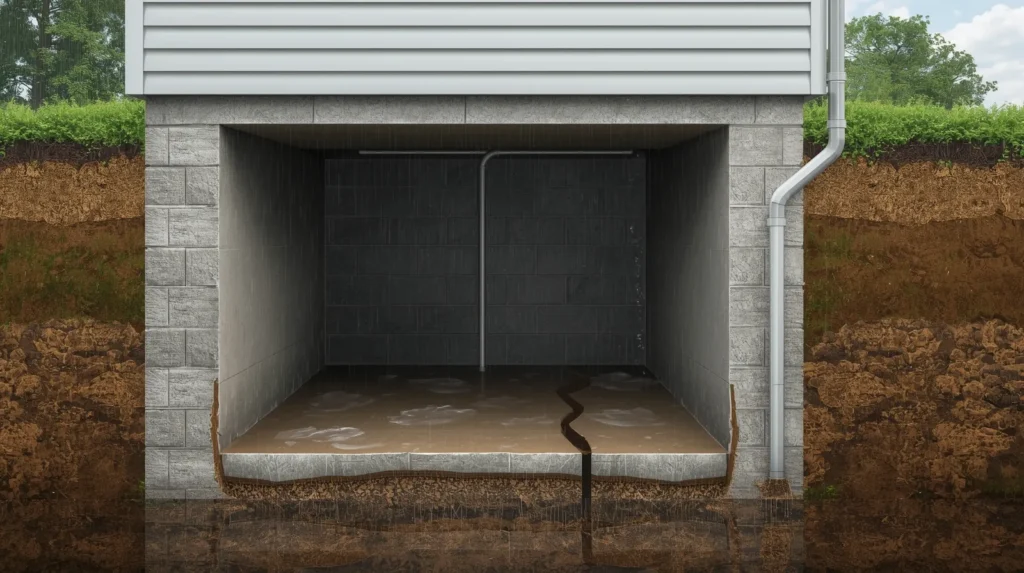
Basement water problems usually begin outside your home. Heavy rain can push water toward the foundation. When soil becomes soaked, pressure builds against basement walls. This pressure forces water seeping through basement wall cracks.
Poor drainage systems cause water in basement after rain. Clogged gutters and short downspouts direct water toward the home. Over time, this creates foundation water damage.
Water coming through basement wall sections often points to cracks or weak mortar joints. Water seeping through basement floor cracks may mean hydrostatic pressure is pushing from below. Basement leaking from floor areas can also happen when groundwater rises.
In colder climates, melting snow increases risk. Even small cracks allow water leaking through basement wall surfaces.
Understanding the cause helps stop the problem at its source.
Signs of Water Damage in Basement Homeowners Should Watch For
Step 1: Check for Visible Water Seepage
Look closely at basement walls and floors. If you see water seeping through basement wall sections or water coming up through basement floor areas, this is a strong warning sign.
Step 2: Inspect the Walls Carefully
Examine wet basement walls. Look for peeling paint, bubbling drywall, or soft spots. These signs often show moisture trapped behind the surface.
Step 3: Look for Stains and Discoloration
Water in basement walls may leave brown or yellow stains. These marks often grow larger over time if the problem continues.
Step 4: Pay Attention to Smell
A musty odor usually means hidden moisture. Even if you cannot see water, a strong smell can signal basement water damage.
Step 5: Watch for White Powder on Walls
Leaking basement walls may show white powder deposits. These mineral stains form when water moves through concrete and leaves residue behind.
Step 6: Check the Floor After Rain
Look for water on basement floor areas after heavy storms. If you notice repeated water flooding in basement spaces, the problem is active and needs attention.
Step 7: Act Quickly
Spotting early signs of basement water damage helps you fix the issue faster and prevent costly repairs.
Early Signs of Water Damage in Walls and Floors
- Soft drywall is an early warning sign of water damage in walls.
- Warped paneling may mean moisture is trapped behind the surface.
- Small cracks in walls that continue to widen can signal hidden water issues.
- Flaking or blistering paint often shows moisture buildup inside the wall.
- Loose tiles may point to signs of water damage under floor materials.
- Buckling laminate flooring suggests water leaking in basement floor areas.
- Uneven or raised floor surfaces can mean moisture is trapped below.
- Darker patches on the floor may show active water seepage.
- A cool and damp feeling when you touch the surface often means hidden moisture.
- Water seepage in basement joints where the wall meets floor is a common pressure point.
- Basement leaks where wall meets floor areas should never be ignored.
- Taking early action helps prevent serious basement flood damage.
What Does Water Damage Look Like in a Basement?
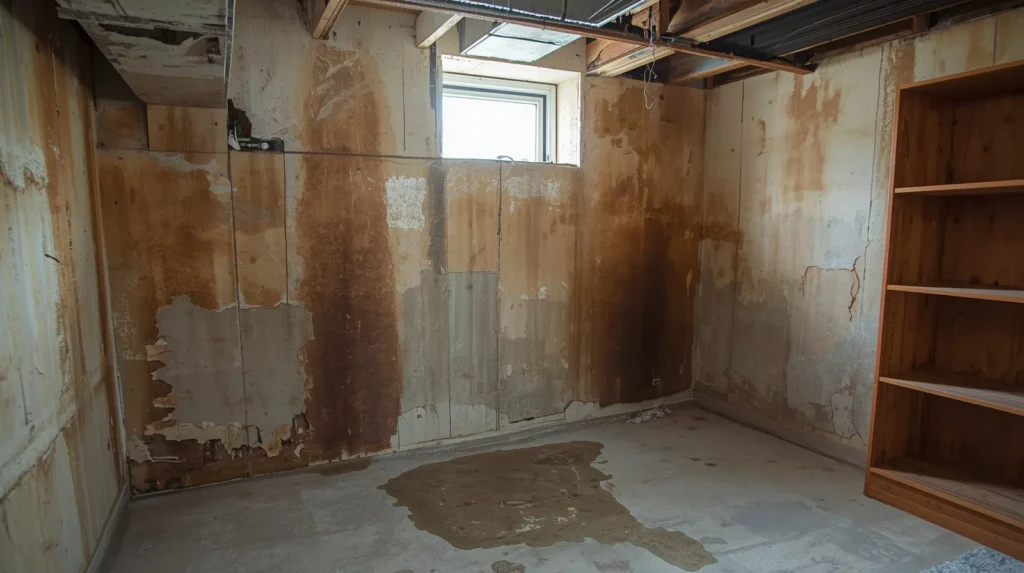
Many homeowners ask, what does water damage look like? It can appear as water seeping in basement floor cracks. It may show as rust on metal items or swelling on wood beams.
Basement wall leaking signs include streak marks. Water leaking through basement wall surfaces may create vertical lines. Basement seepage often leaves chalky residue.
If you notice water leaking into basement storage areas, check cardboard boxes. Damp boxes mean moisture stays present.
Flooded basement pictures often show standing water. But damage does not need to be deep water. Even small basement water issues cause harm over time.
Visual signs matter. Smells matter too.
Why Is My Basement Flooding After Heavy Rain?
Many people wonder, why is my basement flooding? Rain water flooded basement problems usually begin with drainage failure.
Water in basement after rain suggests gutters overflow. Soil grading may slope toward your house. Water flooding in basement areas often enters through cracks.
Water seeping through basement floor may happen when groundwater rises quickly. Basement floods can occur when sump pumps fail.
Water in cellar spaces often collects if floor drains clog. Water in cellar floor sections may signal blocked drainage pipes.
Checking outside conditions is just as important as inspecting inside.
Small Leak or Major Problem? How to Tell If Water Damage Is New or Old
Knowing how to tell if water damage is new or old helps plan repair. Fresh water leak in basement areas feels wet to touch. New stains appear darker.
Older basement water damage looks dry but discolored. Paint may crumble. Mold spots may appear around edges.
A small leak in basement wall may drip slowly. Over weeks, leaking basement areas expand. Leaky basement spaces often show layered staining.
If water seeping through basement walls continues after dry weather, the issue is ongoing. Checking moisture levels with a meter confirms activity.
Professional inspection gives peace of mind.
The Hidden Risks of Ignoring Basement Water Damage
Basement water damage weakens structural beams. Foundation cracks widen. Cellar wet rotting damages stored materials.
Moisture in basement air increases mold growth. Mold spreads behind walls and under floors. This can affect breathing.
Wet basements attract pests. Insects and rodents enter through cracks.
Basement problems grow worse when untreated. Water damage basement repair becomes more costly over time.
Protecting your home early prevents serious loss.
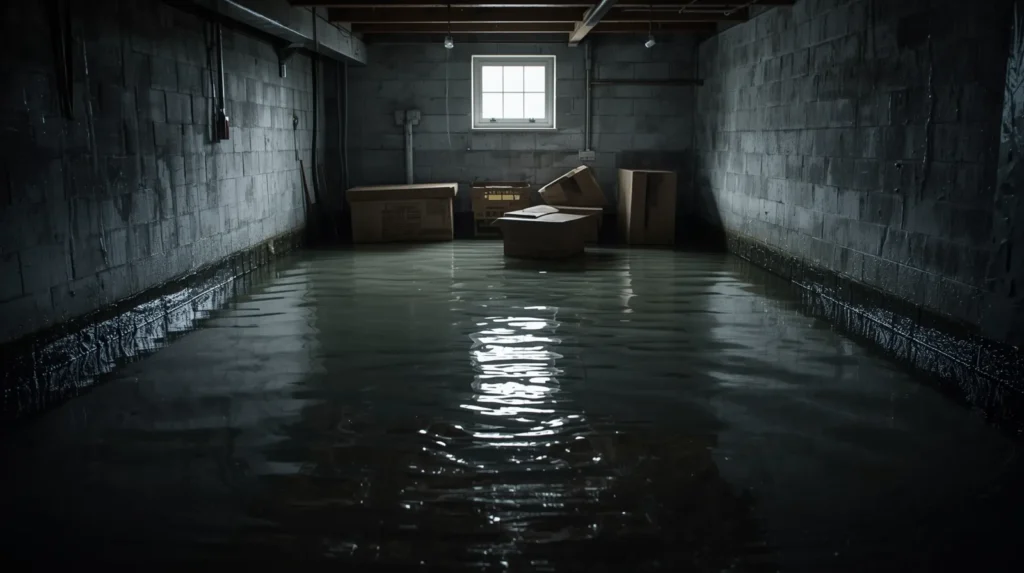
When Water Seepage Becomes a Basement Flood Repair Emergency
Not every leak needs emergency service. But water flooding in basement areas during storms requires fast action.
If you see flood water in basement spaces rising quickly, call for help. Electrical outlets near water create danger.
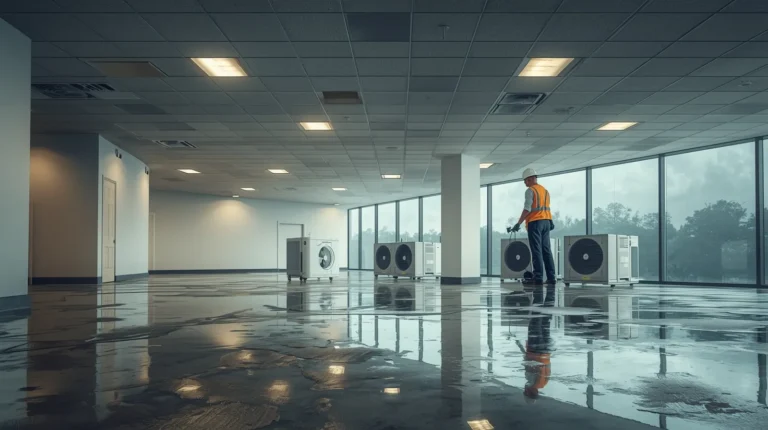
Basement flood repair is urgent when water damages insulation or structural supports. Water damage basement repair may include drying equipment and moisture testing.
Images of flooded basements often show severe cases. Do not wait until your home looks like flooded basement pictures online.
Emergency response reduces long term damage.
Signs You Need to Waterproof Your Basement in Colorado Springs, CO
Homes in Colorado Springs, CO face seasonal snow melt and heavy rain. These weather changes increase risk of water in the basement.
If you notice repeated water in basement areas, or ongoing basement water problems after storms, waterproofing may be necessary.
Signs you need to waterproof your basement include cracks expanding, dampness in basement returning, and water coming through basement wall after every rain.
Foundation water damage grows worse without protection. Waterproofing seals weak areas and redirects water.
Local climate plays a major role.
What to Do If You Notice Signs of Water Damage in Basement
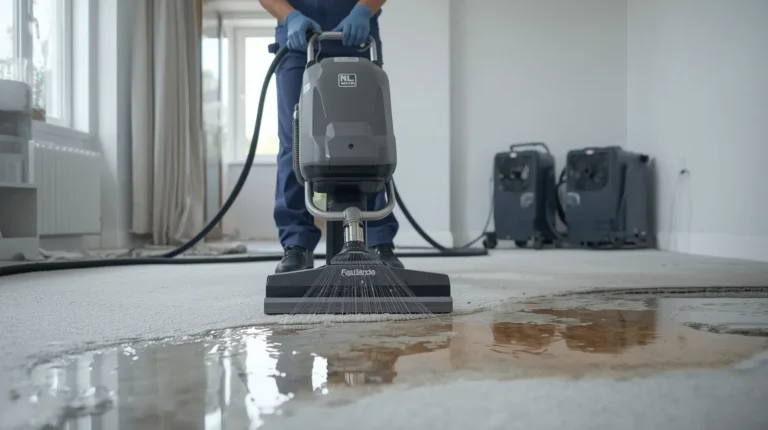
First, remove standing water safely. Turn off electricity in affected areas. Dry wet surfaces quickly.
Check for basement water leak sources. Look at gutters and downspouts. Seal visible cracks temporarily.
Document damage with photos for insurance. Many homeowners ask if insurance covers water damage in basement. Coverage depends on the cause. Sudden pipe breaks often qualify. Gradual seepage may not.
Professional inspection ensures hidden moisture is found. Colorado Stain Master uses advanced moisture detection tools to locate water seeping through basement floor and wall sections. Their trained team understands basement water issues and provides detailed restoration plans.
Early treatment prevents mold and structural loss.
Conclusion
Basement water damage starts small but grows fast. The most common signs include damp walls, stains, musty smell, water on basement floor, and cracks with seepage. Watching for early signs protects your home and your family.
Understanding causes like poor drainage, foundation cracks, and heavy rain helps prevent future problems. Acting quickly reduces repair costs and keeps your basement dry.
If you notice warning signs, do not wait.
Colorado Stain Master has real experience handling basement flood damage, moisture control, and complete restoration services.
If you see water in your basement or suspect hidden damage, contact Colorado Stain Master today for a professional inspection and fast help before the problem gets worse.