
Construction Clean Up
What Does Construction Clean Up Include?
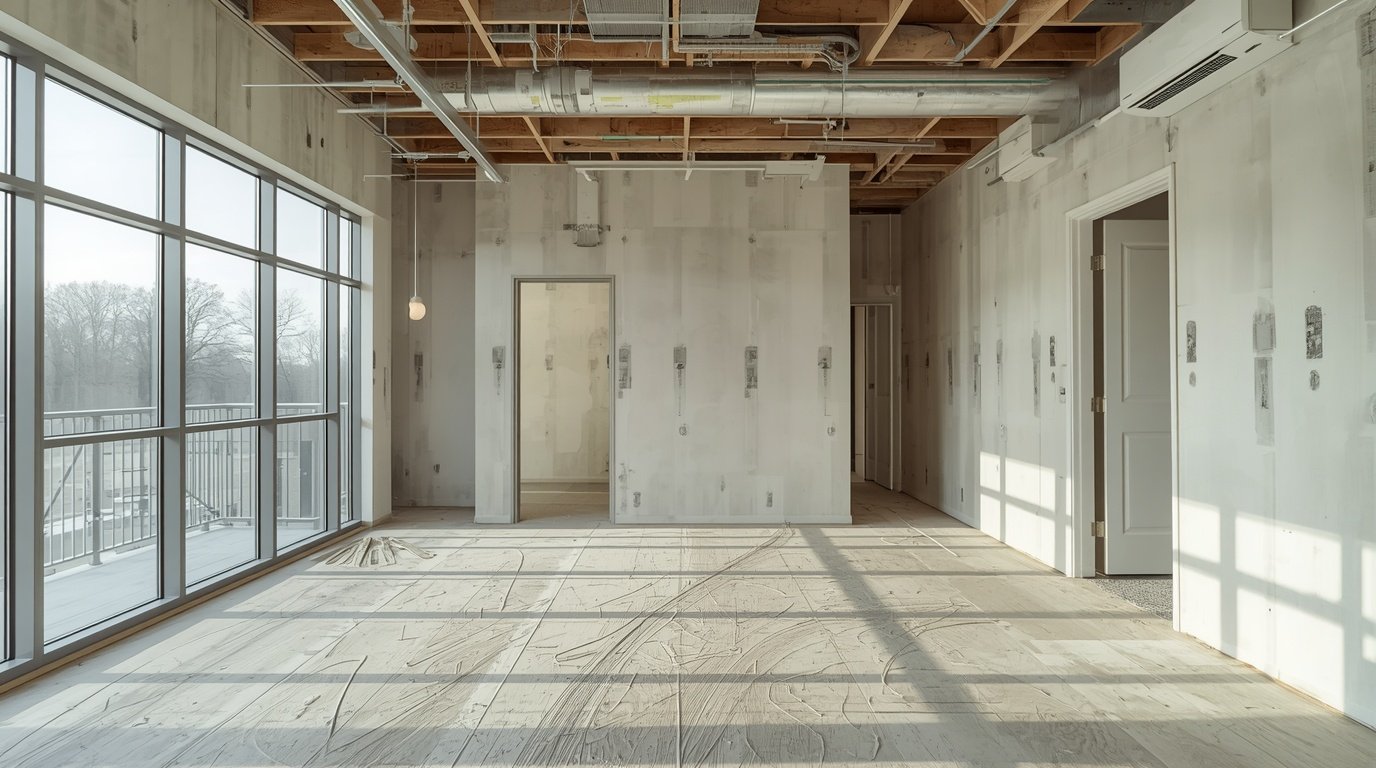
Construction clean up removes the dust, light debris, and marks left after building or renovation work. Depending on the project, the agreed scope may include floors, ledges, cabinets, fixtures, doors, and other accessible surfaces.
A rough clean and a final clean serve different purposes. Early cleanup may clear loose material so other work can continue. Final cleaning focuses on the surfaces people will see and use. A later touch up may be needed if contractors return and create more dust.
Large debris removal, hazardous material handling, and repair work should be defined separately. Before cleaning begins, the site should be ready and the work areas accessible.
When Is a Site Ready for Final Cleaning
Schedule an assessment as the building work nears completion. The site is usually ready for a final clean once major cutting, sanding, painting, and installation tasks are finished. Cleaning too early can mean dust settles again while contractors are still working.
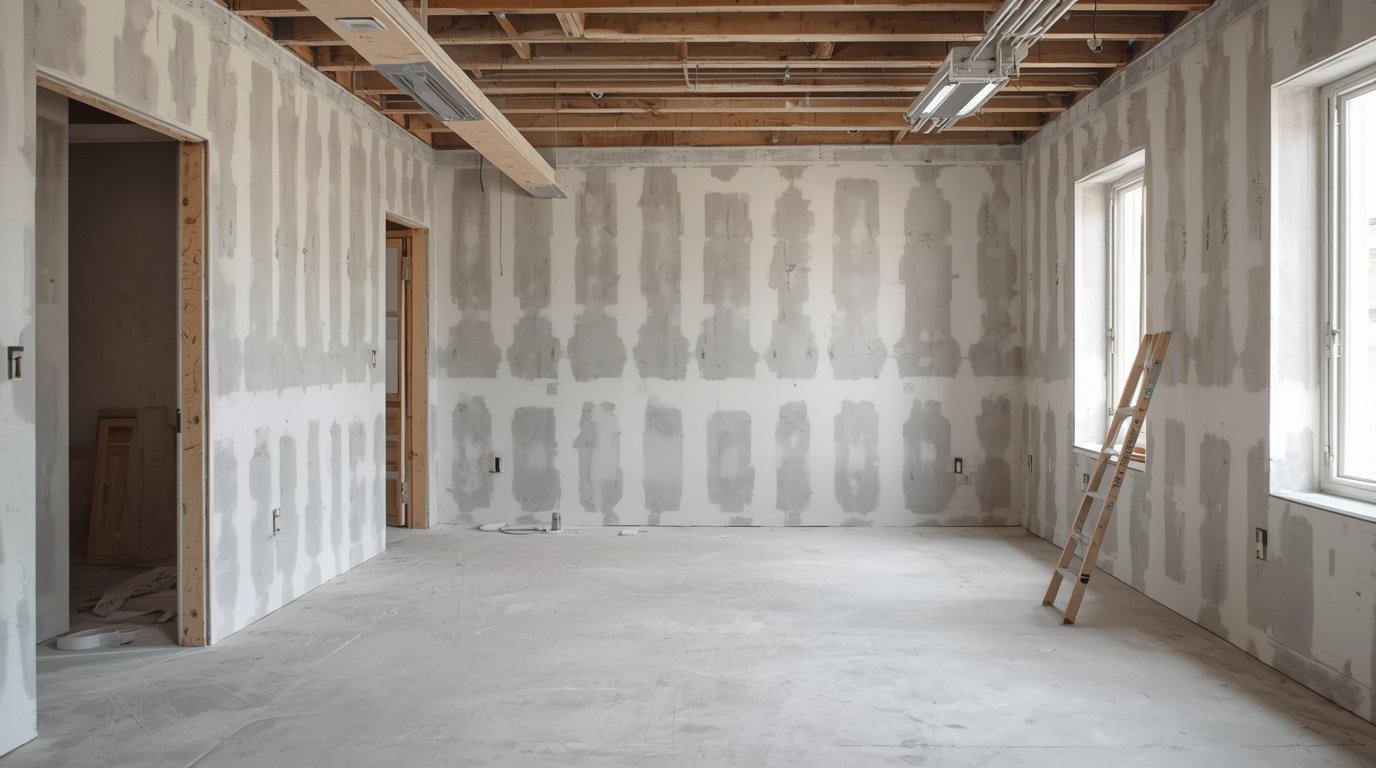
Look for fine powder on shelves, residue along baseboards, adhesive marks, and dust inside newly installed cabinets. These details can remain even when the floor has been swept. Tell us which trades are still expected and when the space needs to be used.
If you suspect lead dust, asbestos, or another hazardous material, raise it before booking. Those conditions require a separate safety assessment and may need qualified specialists.
How We Prepare a Site for Handoff
Review the Work Areas
We walk the site, identify surface types, and agree on the rooms and tasks included.
Remove Dust and Residue
We address loose dust, suitable surface marks, and accessible areas within the agreed scope.
Inspect the Finish
We review cleaned rooms and note any remaining construction defects or work outside cleaning.
Dust Control During Construction Cleaning
Fine construction dust needs more care than a quick dry sweep. Some building work can create dust containing respirable crystalline silica. OSHA restricts dry sweeping or brushing when those actions could contribute to silica exposure and safer methods are feasible. Appropriate controls depend on the site and the material involved.
The cleaning plan should account for the source and amount of dust before work starts. It should also separate ordinary post construction cleaning from hazardous dust work. In older buildings where paint may have been disturbed, lead safe renovation rules and cleaning verification may apply. Those requirements should be handled by appropriately qualified parties.
Benefits of a Detailed Construction Clean Up
Clearer Finished Surfaces
Removing dust and smudges helps new materials show as intended at the project handoff.
Cleaner Cabinets
Attention inside accessible cabinets removes settled dust before supplies or belongings are put away.
More Usable Floors
Cleaning lifts tracked soil and suitable residue left by workers and installation activity.
Better Detail Visibility
A clean surface makes paint flaws, damage, and unfinished work easier to identify.
Smoother Move In
A defined final clean reduces the tasks waiting for the owner or occupant after construction.
Clearer Handoff Scope
The agreed task list helps everyone understand what cleaning covers and what remains for contractors.
Surface Care for Newly Installed Materials
Newly installed materials may have specific care instructions. Flooring, stone, painted walls, glass, and fixtures should be identified before a cleaner is chosen. A strong product or abrasive method can mark a finish that otherwise needs only careful residue removal.
We discuss visible paint splatter, adhesive, grout haze, or protective film during the site review. Some residue can be cleaned as part of an agreed scope, while other material may need the installer’s direction. Loose trim, scratched surfaces, and incomplete sealant are construction issues rather than cleaning tasks.
The final check should make that distinction clear, so the project team knows what is ready and what needs to follow up.
Why Project Teams Choose Colorado StainMaster
Stage Aware Planning
We review what construction work remains before setting the timing and scope of cleaning.
Material Specific Care
The cleaning approach considers new finishes and any care instructions supplied by the installer.
Defined Task List
You know which rooms and surfaces are included before the cleanup begins.
Handoff Observations
We flag visible issues that appear to need contractor attention rather than another cleaning pass.
FAQs
What is the difference between rough and final cleaning?
Rough cleaning clears loose material during the project. Final cleaning focuses on the finished surfaces before the space is used. The exact tasks should be agreed upon in advance.
Should cleaning happen before contractors finish?
A rough clean may help between stages, but schedule the final clean after dust producing work ends. Otherwise, surfaces may need cleaning again.
Does the service remove large construction debris?
Large debris removal should be confirmed separately. Share photos and a list of what remains so the scope is clear.
Can you clean new floors and countertops?
They can be assessed for suitable cleaning. Provide any manufacturer or installer care instructions, especially for stone, specialty flooring, or fresh finishes.
Will cleaning fix paint or installation defects?
No. Cleaning can make defects easier to see, but scratches, missing sealant, and unfinished work need the appropriate contractor.
Make the Final Handoff Feel Finished
Tell Colorado StainMaster what work was completed, which rooms need attention, and when the last trade expects to leave. We can review the site, define the cleanup scope, and explain what belongs on the contractor’s final task list.