
Mold Inspection Services
What Does a Mold Inspection Check?
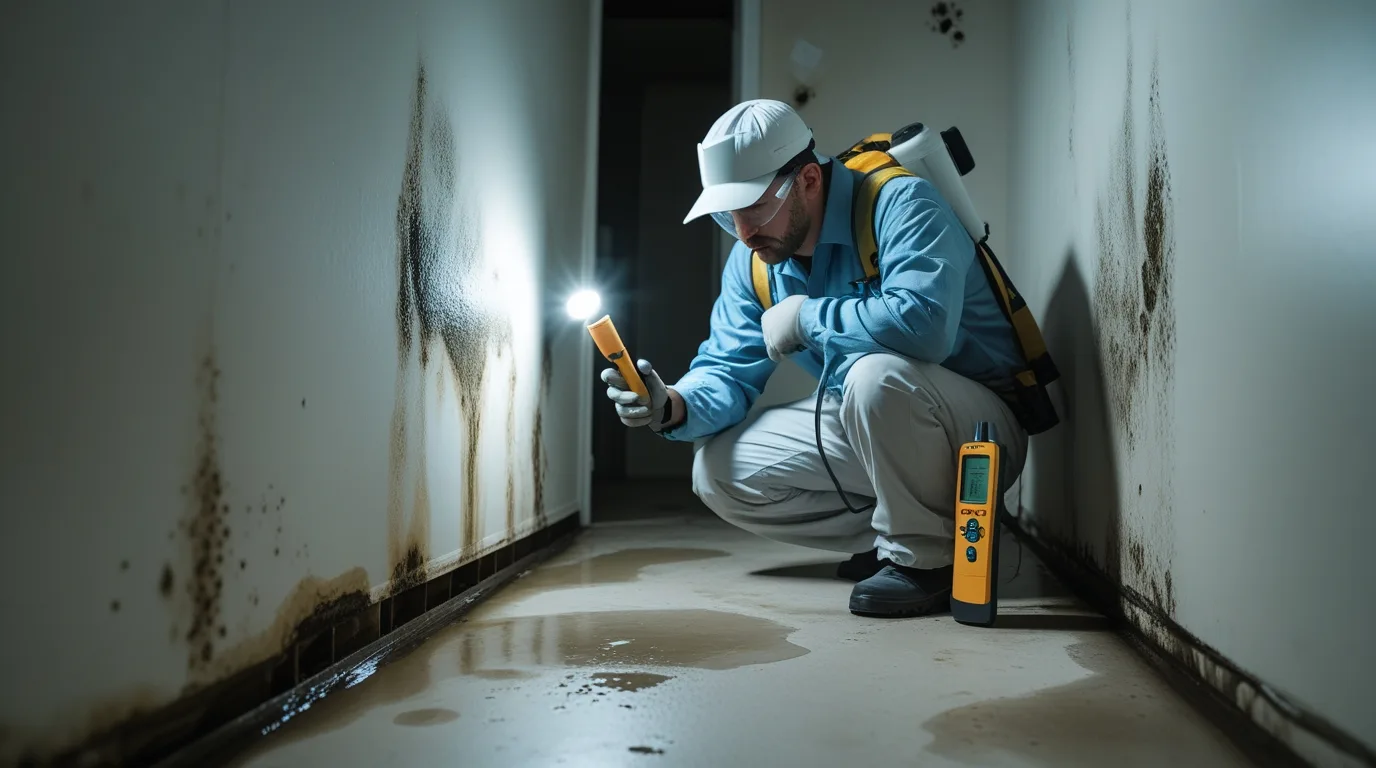
A mold inspection reviews visible growth, signs of moisture, and areas with a history of leaks or water damage. The goal is to understand what can be observed and which areas may need more attention. It does not automatically include lab testing or identify every hidden condition.
Colorado StainMaster can discuss your concerns and confirm the inspection scope before scheduling. Depending on the agreed service, the review may cover visible surfaces, nearby materials, and moisture indicators. For example, if you see a spot near a window, sharing when it appeared and whether the area gets damp can help guide the inspection.
Who Should Schedule Mold Inspection and When?
An inspection may help property owners, tenants, buyers, or managers who have noticed visible growth, a musty odor, recurring dampness, or water damage. It may also be useful when a leak has been repaired but nearby materials still raise questions.
Timing depends on what happened. After a plumbing leak, an inspection can review visible areas and signs of lingering moisture. If a musty smell appears without an obvious source, describe when it began and whether it returns. Those details can help guide the review.
An inspection can help clarify observed conditions, but it does not replace repairs to an active leak. If water is still entering the property, address that source as part of the next steps. EPA guidance identifies moisture control as central to mold control.

What Happens During a Mold Inspection?
concerns and the property’s moisture history.
Share when the issue appeared, past leaks, affected rooms, visible changes, and recurring moisture concerns.
visible areas and check for moisture indicators.
The inspection reviews visible growth, materials, and moisture clues in areas with past water issues.
findings and discuss possible next steps.
You receive a summary of observed conditions, visual review limits, and practical next steps discussed.
What an Inspection Can and Cannot Confirm
A visual inspection can document visible conditions and review areas connected to known moisture problems. It may identify clues that support further investigation, but it cannot confirm that every concealed area is free of mold. Access, building materials, and the agreed scope all affect what can be reviewed.
Mold sampling is not required for every concern. EPA guidance says sampling is often unnecessary when visible mold is present, and test results do not provide a simple pass or fail against federal mold limits. If sampling is considered, clarify what question it is meant to answer and who will collect and interpret the results.
Benefits of a Professional Mold Inspection
Early Awareness
Spotting visible growth early can help clarify whether further assessment or cleanup discussion is appropriate.
Moisture Insight
Reviewing damp areas can help identify where repairs or drying may be needed when planning next steps.
Targeted Planning
Findings can help you prioritize affected rooms and decide who to contact about further assessment.
Informed Decisions
Clear observations help you weigh testing, remediation, or repairs based on the concern you described.
Clear Findings
A summary can make it easier to explain observed conditions to contractors or property managers.
Repair Guidance
Recognizing moisture sources can guide repair conversations and help reduce conditions that support mold growth.
Why Choose Colorado StainMaster for Mold Inspection?
Clear Scope
We confirm which areas are included, how observations are documented, and whether testing is separate.
Careful Review
Attention centers on visible conditions, moisture history, affected materials, and clues near reported water problems.
Plain Findings
You receive straightforward observations and next steps without claims about mold species or health effects.
Separate Services
We distinguish inspection from lab testing and remediation so the scope and expectations remain clear.
FAQs
What is included in a mold inspection?
A visual review may cover visible growth, moisture clues, and areas with past water damage.
Is mold testing automatically included?
No. Testing is separate and may be unnecessary when mold is visible, depending on the question.
Can an inspection find hidden mold?
An inspection may identify signs that suggest hidden moisture, but inaccessible areas can require more assessment.
What happens if the inspection finds a concern?
Findings can help you decide whether to contact remediation, repair, or testing professionals next.
Does an inspection confirm a property is mold free?
No. It documents observed conditions within scope, but cannot confirm every concealed area is mold free.
Schedule a Mold Inspection
To discuss a mold inspection, tell Colorado StainMaster what you have seen, where it appeared, and whether there has been a leak or recurring dampness. You can also share when the concern began and whether the odor or visible change has returned.