
Mold Remediation Services
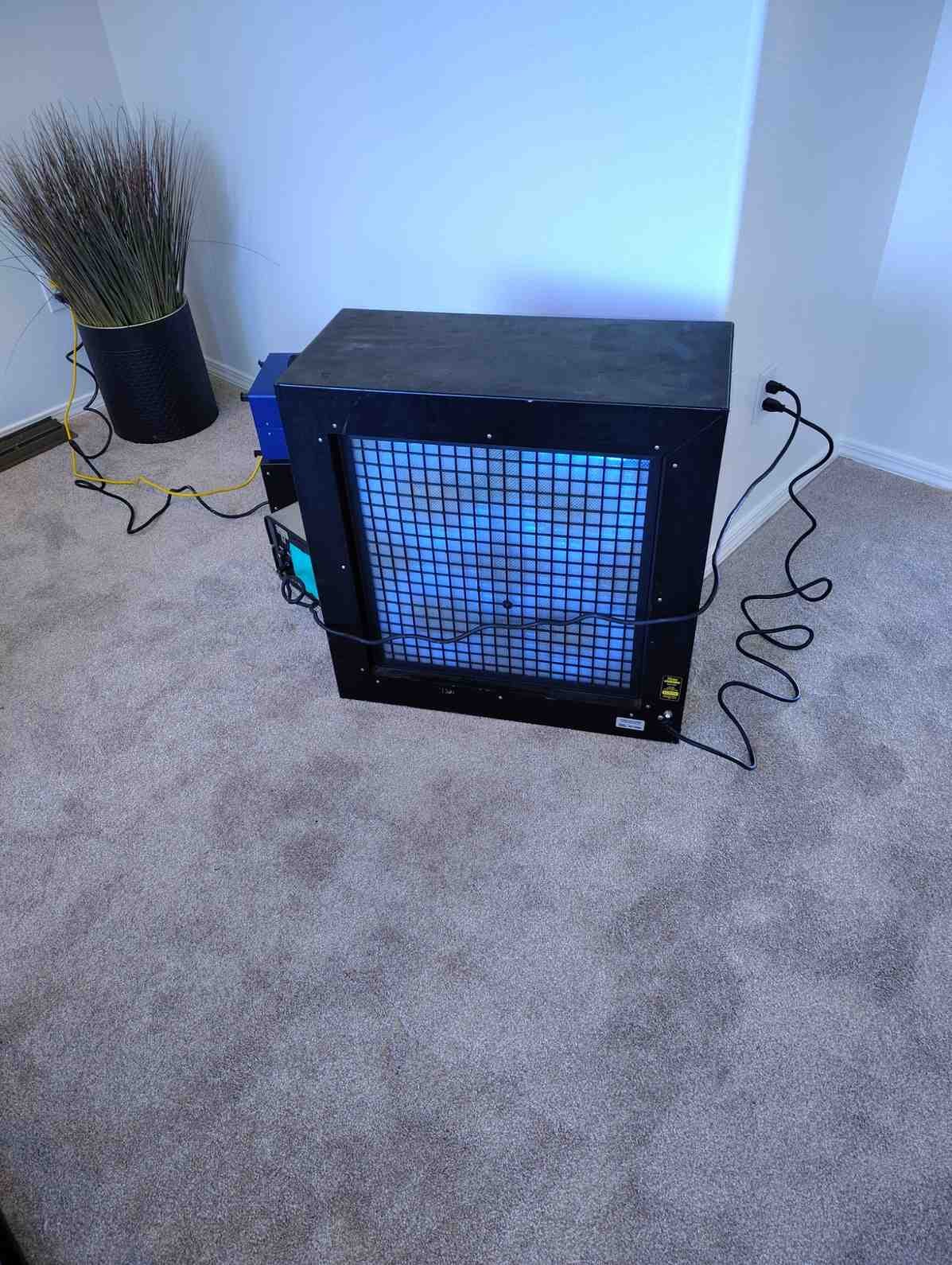
Address Mold and the Moisture Behind It
Mold remediation services address visible mold growth and affected materials while considering the moisture that allowed it to develop. Cleaning visible spots alone may not resolve a recurring problem if the source of moisture remains.
Colorado StainMaster can discuss residential and commercial concerns, including mold after a leak or water damage. The work may involve inspecting affected areas, containing the work zone, removing materials that cannot be cleaned, and cleaning suitable surfaces. The exact scope depends on the location and extent of the visible damage.
If you notice mold, a musty odor, or a history of water intrusion, describe what you have seen and when it began. That information helps start a useful conversation about inspection and next steps.
Notice Changes That May Point to Mold
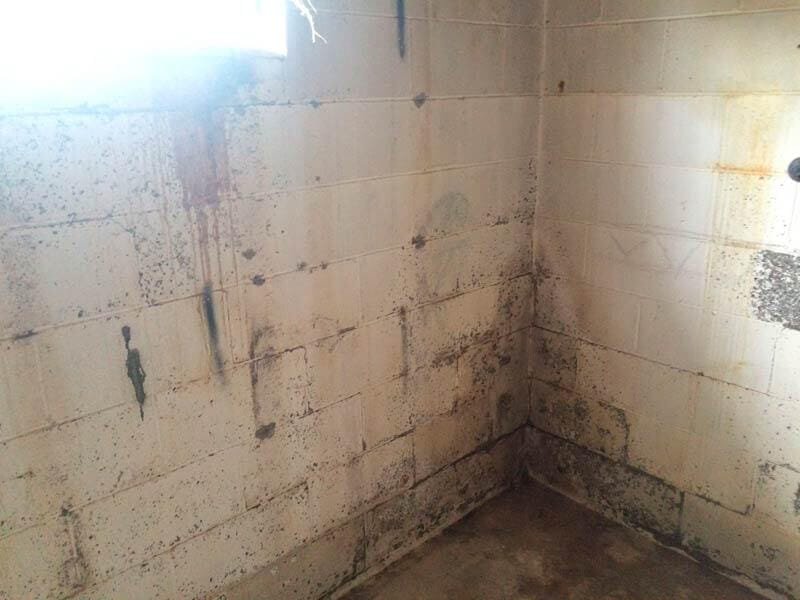
Mold may appear as spots or patches, and a musty smell can signal a moisture concern. Look for discoloration near plumbing, windows, ceilings, floors, or areas affected by a leak. Past flooding or repeated dampness can also warrant a closer look.
These signs do not confirm the full extent of a problem. Mold may be present behind drywall or under flooring when materials have stayed damp. An inspection can help identify visible growth and moisture affected areas, while hidden conditions may require further assessment.
If a leak is active, address the water source as soon as possible. Avoid disturbing materials that appear moldy, especially if the affected area is extensive. Share photos or a description when contacting Colorado StainMaster so the initial discussion can focus on the right concerns.
How Remediation Moves From Review to Cleanup
Review the Visible Conditions
We discuss where mold or moisture has appeared, any known water damage, and the areas that may need inspection.
Set the Work Plan
The proposed scope may include containment, removal of affected materials, surface cleaning, and steps to address moisture, depending on the conditions.
Complete the Work and Review
The agreed remediation tasks are completed, then the area is reviewed and any remaining concerns or next steps are discussed.
Protection and Quality During Remediation
Mold cleanup can disturb spores and affected materials, so the work plan should consider the size and location of the area. Containment may be appropriate to limit disturbance beyond the work zone. The specific precautions depend on the conditions and scope.
Materials such as drywall, insulation, carpet, or flooring may not be suitable for cleaning if mold has entered porous areas. In some cases, affected materials may need removal. Hard surfaces may be cleaned and dried when appropriate. The moisture source also needs attention, or growth may return.
Before work starts, confirm which areas and materials are included. Ask how the work area will be managed, what will be removed, and what the final review covers. If independent testing or clearance documentation is required, discuss it as a separate need.
What a Planned Remediation Can Address
Source Awareness
Finding where moisture entered helps guide repairs or prevention steps after cleanup is complete.
Contained Work
A defined work zone can help limit disturbance to areas outside the agreed remediation scope.
Material Decisions
Reviewing each affected material helps determine whether cleaning or removal is the more suitable next step.
Surface Cleaning
Cleaning appropriate hard surfaces addresses visible residue after affected materials have been managed.
Moisture Control
Drying affected areas and addressing water problems can help reduce conditions that support future growth.
Clear Next Steps
A final discussion helps you understand completed work and any remaining repairs or assessments to consider.
Why Moisture Control Matters After Mold Cleanup
Mold growth is linked to moisture. If a plumbing leak, roof issue, or other water source continues, cleaned areas may become damp again. That is why the remediation plan should include identifying the moisture concern and deciding what needs repair or drying.
Some materials can be cleaned, while others may need removal if mold has entered porous areas. The decision depends on the material, condition, and scope. After cleanup, follow any recommendations for repairs, ventilation, or moisture management provided for the property.
A visual review can help confirm that agreed work is complete, but it is not the same as laboratory testing or independent clearance verification. If you need those services, ask about them before work begins
A Clear Remediation Plan With Colorado StainMaster
Scope in Writing
A clear scope identifies the areas, materials, and remediation tasks discussed before the work begins.
Material Review
Affected drywall, insulation, flooring, or other materials can be considered according to their condition and the planned work.
Moisture Consideration
The conversation includes known leaks or dampness so source repairs can be considered alongside cleanup.
Work Review
You can review completed tasks and ask about remaining concerns or recommended next steps.
FAQs
What is included in mold remediation?
Depending on the conditions, remediation may include inspection, containment, removal of affected materials, surface cleaning, and moisture related recommendations.
Does mold remediation fix the water source?
Remediation can identify moisture concerns, but plumbing, roof, or other repairs may require a separate contractor or service.
Do moldy materials always need to be removed?
No. The decision depends on the material and how deeply it is affected. Some hard surfaces can be cleaned, while porous materials may need removal.
Is mold inspection the same as mold testing?
No. A visual inspection reviews visible conditions. Testing or independent clearance assessment is a separate service that should be discussed if needed.
Can mold return after cleanup?
It can return if the moisture problem remains. Addressing water intrusion and drying affected areas are important parts of prevention.
Discuss Your Mold Remediation Needs
Colorado StainMaster where you noticed mold, whether there has been a leak or water damage, and which materials appear affected. You can ask about residential or commercial mold remediation, inspection, containment, cleanup, and restoration needs.
The next step is to discuss the visible conditions and clarify the proposed scope. If repairs, testing, or independent verification may be needed, raise that during the conversation so you can plan each part of the response.