
Schools Cleaning
What Does Professional School Cleaning Cover?
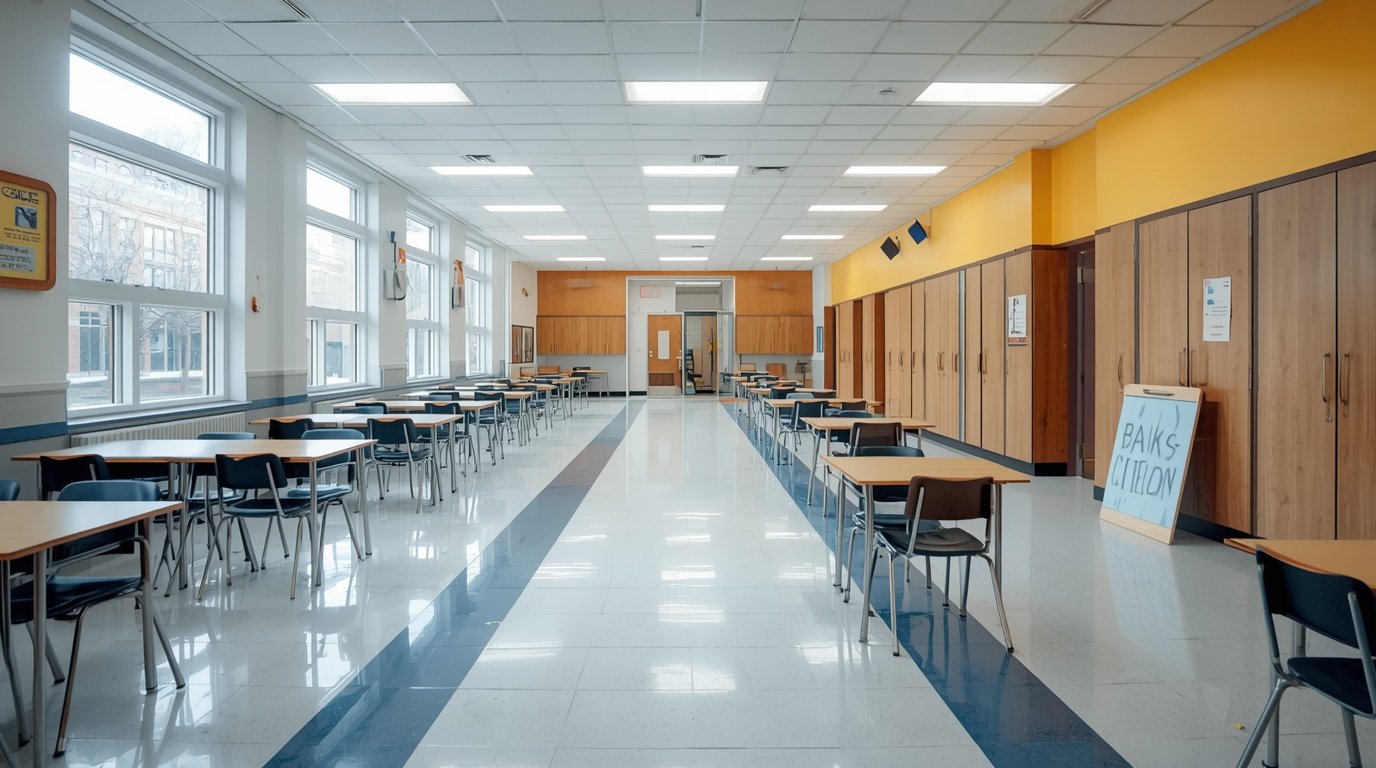
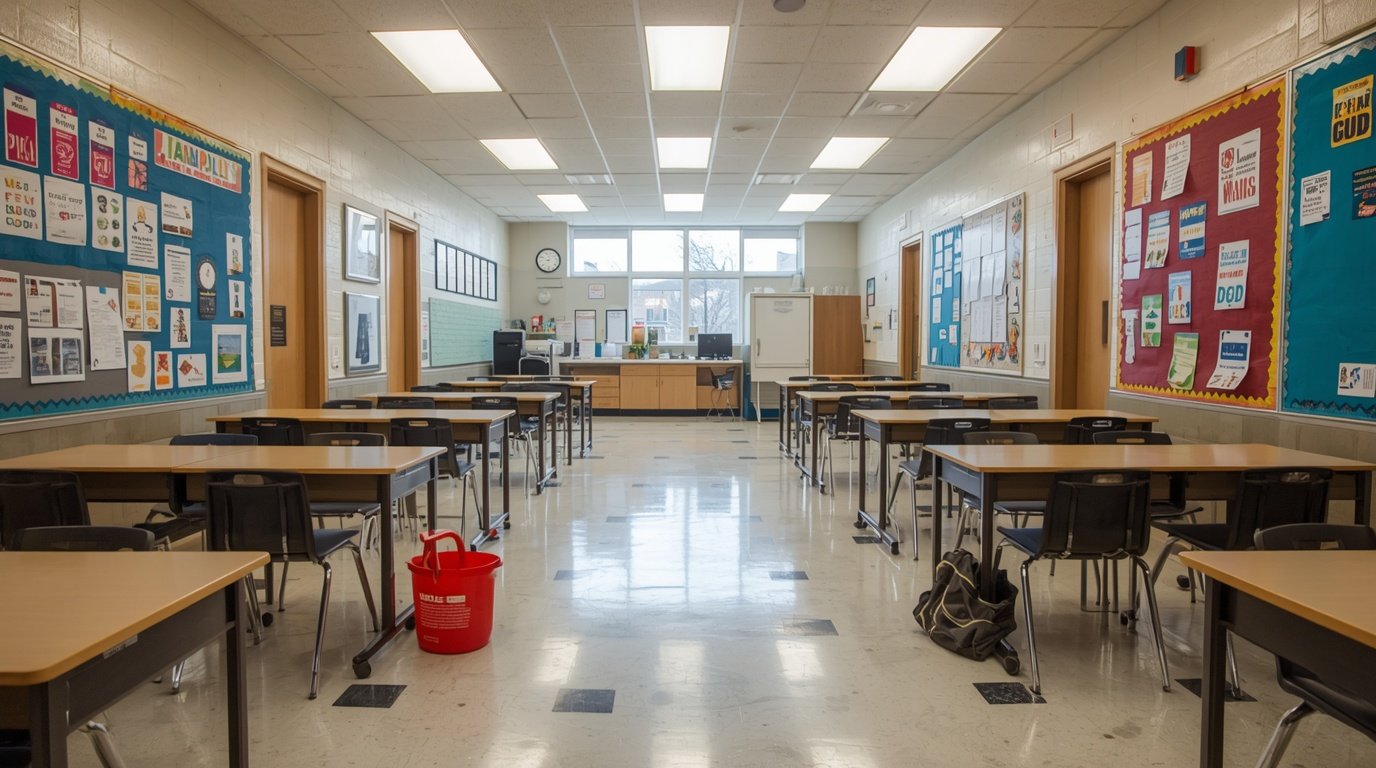
School cleaning can include classrooms, hallways, offices, restrooms, entrances, and other shared areas. Routine work may involve removing trash, cleaning desks and other surfaces, caring for floors, and addressing visible soil.
The scope should reflect how each space is used. A restroom needs different tasks from a classroom, while an entrance may need more floor attention during busy periods. Shared items and frequently touched surfaces also deserve a defined place in the plan.
Cleaning, sanitizing, and disinfecting are different tasks. A school’s policies and the intended use of each area should guide when each is needed. The agreed scope should make those tasks clear to both the school and the cleaning team.
When Does a School Need a More Defined Cleaning Plan?
A school may need a new cleaning plan when classrooms are ready late, restrooms run out of supplies, floors stay visibly soiled, or staff are unsure who handles a reported spill. These problems often come from unclear responsibilities rather than one missed task.
Changes in building use can also create new needs. An expanded program, evening event, or heavily used shared space may require an adjustment to the cleaning schedule. School breaks can provide time for work that is difficult to complete during a normal day.
Start by identifying the rooms, surfaces, and recurring problems that matter most. That gives the cleaning team a useful brief instead of a general request to “clean everything
How a School Cleaning Plan Takes Shape
Walk the Spaces
We review room types, traffic patterns, surface materials, and the school’s priorities before defining tasks.
Set the Schedule
We match cleaning tasks to access times, room use, and the agreed service frequency.
Check and Adjust
We review completed work and use reported concerns to refine the cleaning plan when needed.
Cleaning Procedures for Shared School Spaces
Frequently touched items can include desks, door handles, faucet handles, keyboards, and shared learning materials. CDC guidance for schools calls for routine cleaning and sanitizing of commonly touched surfaces, with specific disinfecting procedures guided by applicable policies.
A written scope helps distinguish daily tasks from periodic work. It should also explain how to report a spill or an area needing extra attention. Cleaning products must suit the surface and their intended use.
When disinfecting is required, the product label matters. Directions can specify where the product may be used and how long it must remain on a surface. That step should be planned, not assumed to happen during a quick wipe.
Benefits of a Well Planned School Cleaning Service
Ready Classrooms
A defined routine helps teaching spaces start the day with surfaces and floors addressed.
Attended Restrooms
Scheduled checks give restrooms regular attention and help staff spot supply or cleaning needs.
Cleaner Touchpoints
Focusing on shared surfaces helps address the desks, handles, and fixtures used throughout the day.
Managed Floor Soil
Regular floor care addresses dirt tracked through entrances, corridors, and other busy routes.
Clear Task Ownership
A written scope shows which areas are covered and who should receive reports of problems.
Flexible Service Planning
The schedule can account for class times, events, school breaks, and changing building use.
Product Use and Student Safety Standards
Cleaning work in a school needs to account for students, staff, access, and product storage. Products should be used according to their labels and kept out of children’s reach. The EPA advises that children should not apply disinfectants because incorrect use or storage can cause harm.
The right task also matters. Cleaning removes dirt from a surface. Sanitizing or disinfecting may be specified for certain surfaces or situations under school policy. A cleaning plan should state what will be done, when the area can be used again, and how unusual concerns will be handled.
Why Schools Work With Colorado StainMaster
Room Based Planning
Tasks are organized around how classrooms, restrooms, offices, and shared spaces are used.
Schedule Coordination
We discuss access and timing so cleaning work fits around the school’s daily activities.
Defined Priorities
The agreed scope identifies routine work, periodic tasks, and areas needing extra attention.
Clear Issue Reporting
Staff need a simple way to flag spills, supply shortages, or rooms requiring follow up.
FAQs
What areas can a school cleaning service cover?
The scope can include classrooms, restrooms, hallways, offices, entrances, and shared spaces. The school and cleaning provider should agree on the tasks for each area.
Is cleaning the same as disinfecting?
No. Cleaning removes dirt. Disinfecting uses a product for a specific purpose and must follow its label. School policy helps determine where and when it is needed.
Can cleaning take place after classes?
The schedule can be planned around access and building use. Share class hours, activities, and event times when discussing the service.
How are spills handled between scheduled visits?
Agree on a reporting process and response expectations before service begins. Staff should know whom to contact and which urgent issues require immediate attention.
Can the cleaning plan change during the school year?
Yes. Review the scope when room use, enrollment, events, or cleaning needs change so the work still fits the building.
Build a Cleaning Plan That Fits Your School
Tell Colorado StainMaster which spaces need service, when they are available, and where your current routine falls short. We can review the priorities and discuss a scope that staff can understand and follow.