
Water Extraction and Sewage Cleanup
What Water Extraction and Sewage Cleanup Involve
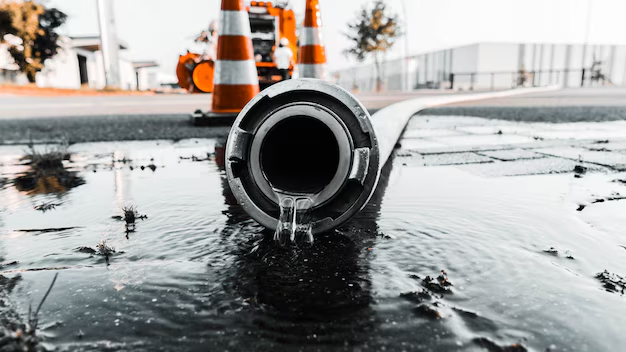
Water extraction removes standing water from affected areas. Sewage cleanup adds another concern: evaluating and handling materials that may have contacted wastewater. The work can include removing water, clearing affected debris, cleaning suitable surfaces, and drying the remaining structure.
These services often happen together, but they are not interchangeable. A clean water spill and a sewer backup require different handling decisions. The source must be identified before cleanup begins, and an active plumbing or drain problem needs to be fixed so more water does not enter.
Once visible water is removed, the area still needs checking. Moisture may remain at floor edges, beneath materials, or along the base of a wall.
When an Overflow Needs Professional Attention
Request an assessment when water covers a floor, reaches walls or cabinets, or seeps beneath flooring. If a toilet, floor drain, or sewer line has backed up, keep people and pets away from the affected area until its safety can be assessed.
Tell us whether water is still entering, where it appears to be coming from, and what it has touched. If the cause is an active plumbing or sewer fault, arrange for the appropriate repair. Cleanup cannot prevent another overflow while the source remains unresolved.
Do not step into standing water to operate electrical switches. If power cannot be shut off from a dry location, contact an electrician.
Three steps based on the water source
Establish the Affected Zone
We identify where water traveled and which surfaces or belongings may have contacted sewage.
Extract and Clear
We remove standing water and evaluate wet materials for cleaning, drying, or removal.
Clean and Check
Suitable surfaces are cleaned, while moisture checks guide drying and the next decisions.
Cleanup Decisions After Sewage Contact
Sewage is a health concern because wastewater may contain harmful organisms and other contaminants. Cleanup should begin with controlled access to the affected area and an assessment of what the water reached. The EPA recommends experienced professional help when water damage involves sewage or other contaminated water. Hard surfaces and absorbent materials need different decisions. A surface that can be cleaned may remain, while a soaked porous material may need removal. The condition of flooring, drywall, insulation, and belongings should be evaluated rather than judged by appearance alone. If an overflow has reached a shared space or an area used for daily work, explain that when you call. It helps define what needs attention first.
Benefits of Fast Water Removal and Careful Sewage Cleanup
Standing Water Cleared
Removing pooled water allows affected floors, walls, and belongings to be assessed more fully.
Spread Better Understood
Tracing where water traveled helps reveal areas beyond the most visible part of the spill.
Contaminated Materials Identified
An assessment separates items that may be cleaned from those needing removal or specialist advice.
Drying Needs Defined
Spot treatment focuses on marks individually, since stain source and carpet fiber affect the approach.
Cleanup Scope Clarified
You learn which tasks address extraction, cleaning, drying, and any repair needs.
Future Overflow Addressed
Identifying the source helps you arrange the plumbing or drainage repair needed to prevent recurrence.
Safety Rules for Sewage and Standing Water
Keep people and pets away from suspected sewage. The CDC advises rubber boots, rubber gloves, and goggles when sewage is involved in cleanup. Water near electrical equipment calls for extra caution, and power should not be operated while standing in water.
Cleaning a visible surface does not settle every question about a soaked floor or wall. Materials must be evaluated for contamination and moisture before the space is put back into use. The cleanup plan should also account for any ongoing backup. A plumber or other qualified professional may need to correct the cause while extraction and cleanup address the damage it left behind.
Why Colorado StainMaster Starts With an Assessment
Source First Review
We discuss where the water came from because that affects handling and cleanup decisions.
Contact Area Mapping
We identify which floors, walls, and belongings the water may have reached.
Material Specific Guidance
Each affected material is evaluated for cleaning, drying, removal, or separate repair.
Next Step Clarity
We explain the cleanup scope and any plumbing or repair concerns outside it.
FAQs
Should I clean up a sewage backup myself?
Keep clear of the affected area and ask for professional help. Sewage may contain harmful contaminants, and wet electrical equipment can add danger.
Does removing the water finish the job?
No. Moisture can remain beneath floors or inside nearby materials. Those areas need to be checked before drying is considered complete.
Can a wet carpet be saved after sewage contact?
That depends on what contacted it and how the carpet and padding were affected. Have the materials assessed before deciding whether to keep them.
Do you fix the drain or pipe that caused the backup?
The source needs to be fixed to stop another overflow. Extraction and cleanup address the affected area; plumbing or sewer repair may require a separate qualified professional.
What should I tell you when I call?
Share where the water came from, whether it is still entering, when it happened, and which rooms or belongings it reached. Mention any electrical concerns.
Take the First Safe Step Toward Cleanup
Stay out of water that may be contaminated or near electrical equipment. Once the immediate safety concerns are addressed, tell Colorado StainMaster what happened and where the water traveled.
We can assess the affected area, explain the extraction and cleanup needs, and identify what should be dried, removed, or referred for repair. You will know what the next step involves before work begins.