
Tile and Grout Cleaning
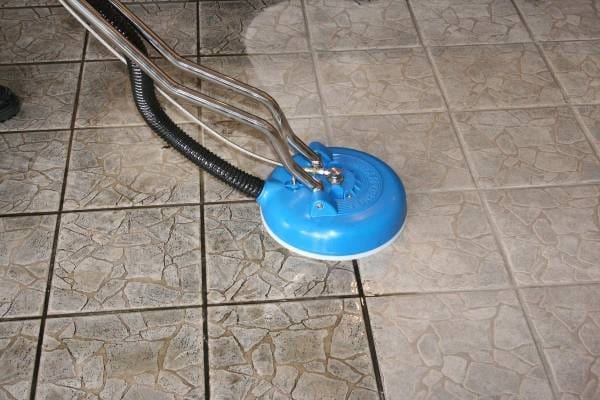
What Does Tile and Grout Cleaning Include
Professional tile and grout cleaning addresses both the tile face and the narrow grout lines between tiles. These areas collect different types of soil. A kitchen floor may hold grease and track in dirt, while a shower may have soap residue and mineral buildup.
Cleaning begins with identifying the surface. Ceramic and porcelain tile can require different care from natural stone. The condition of the grout also matters, especially if joints are cracked, loose, or missing.
The work may include treating buildup, cleaning the tile and grout, and rinsing away loosened soil and residue. Cleaning can improve discoloration caused by dirt, but it cannot replace damaged grout or reverse wear in a tile’s finish.
When Is It Time to Clean Tile and Grout
Consider professional cleaning when grout lines stay dark after you mop, tile feels sticky after drying, or a shower wall still looks cloudy after routine care. These signs can mean residue has built up faster than household cleaning removes it.
The need often shows first in busy areas. Entry floors collect grit, kitchen tile catches cooking residue, and bathroom surfaces face repeated moisture and product buildup. If a mark appears soon after installation, it may be grout haze or another type of residue that needs to be identified before treatment.
Loose tiles, crumbling joints, or a leak need repair advice as well as cleaning. Tell us what you have noticed so we can discuss the right next step.
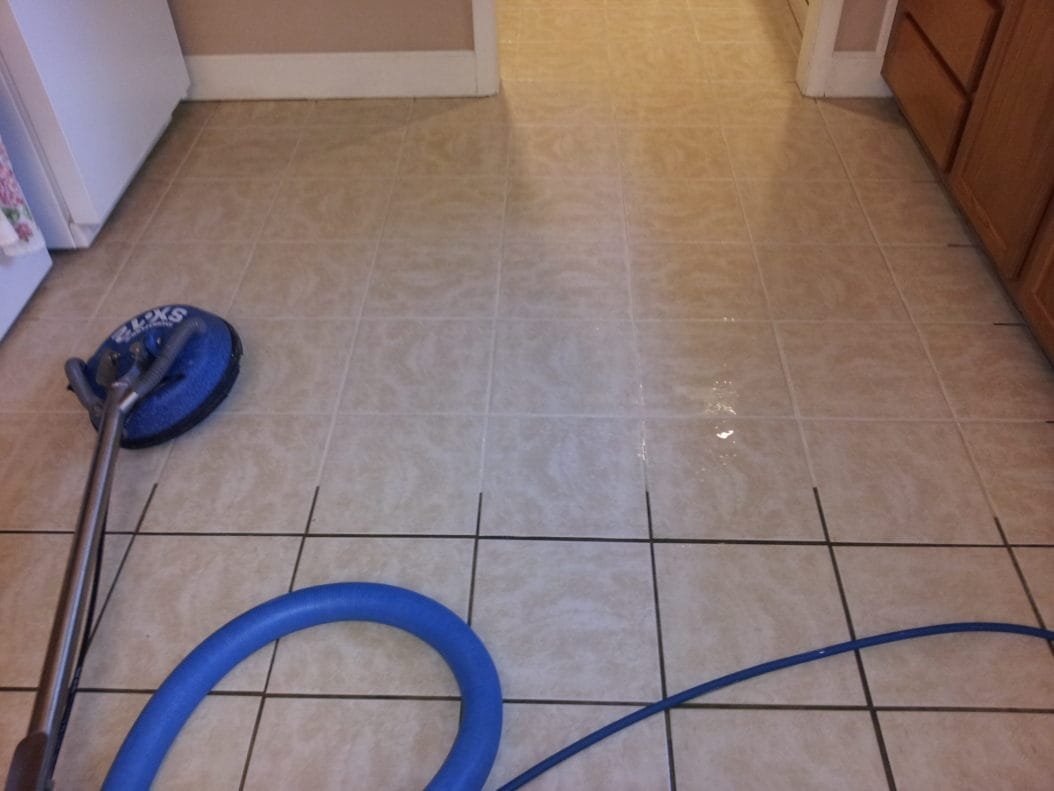
How Do We Clean Tile and Grout
Identify the Tile
We check the tile type, grout condition, finish, and buildup before selecting a cleaning approach.
Work the Joints
We focus treatment on soiled grout lines and tile surfaces without treating every material alike.
Rinse and Review
We remove loosened residue, inspect the result, and point out stains or damage that remain.
How Are Tile and Grout Materials Protected
A cleaner suited to ceramic tile may be unsuitable for natural stone. Stone type and composition affect which products can be used, so identifying the material is an important first step. Harsh or acidic products can damage some stone surfaces. Grout also needs a close look before cleaning. Heavy scrubbing will not fix a cracked joint, and trapped stains may remain after surface soil is removed. If sealing is appropriate, it should be discussed after cleaning and drying. Sealer can help with maintenance, but it does not make tile or grout stain proof.
Benefits of Professional Tile and Grout Cleaning
Clearer Grout Lines
Removing packed soil can make grout lines look more even where the original color remains.
Cleaner Tile Finish
Lifting residue helps the tile show its finish without the film left by repeated cleaning.
Less Sticky Flooring
Removing grease and cleaning product buildup can make busy floor areas easier to maintain.
Fresher Shower Surfaces
Targeted cleaning addresses soap residue and soil that gather around shower tiles and joints.
Better Surface Visibility
Clean tile makes cracks, missing grout, or worn areas easier to spot and address.
Easier Routine Care
Starting with less buildup can make regular sweeping and mopping more effective afterward.
Why Choose Colorado StainMaster for Tile and Grout Cleaning?
Tile Type Review
We identify whether the surface needs care suited to ceramic, porcelain, or natural stone.
Grout Condition Check
We look for worn or damaged joints before recommending cleaning or discussing other concerns.
Focused Soil Removal
The approach follows the buildup present, from floor grime to residue on shower tile.
Honest Result Guidance
We explain the difference between removable dirt, lasting stains, and damage that needs repair.
FAQs
Why does my grout still look dirty after mopping?
Mopping can move dirty water over the floor and leave soil in the grout lines. Deep cleaning may remove buildup that routine mopping misses.
Can cleaning make stained grout look new?
It depends on the cause. Cleaning may remove surface soil, but a stain that has soaked in or changed the grout may remain.
Do you clean natural stone tile?
Natural stone needs care based on the type of stone and its condition. It should be identified before a cleaning product or method is chosen.
Should grout be sealed after cleaning?
Some grout may benefit from sealing once it is clean and dry. The grout type and condition should be checked first. Sealing helps with upkeep but does not prevent every stain.
Can cleaning fix cracked or missing grout?
No. Cleaning removes soil and residue. Cracked or missing grout needs repair, and any leak or loose tile should be assessed separately.
Ready to See Your Tile More Clearly?
Tell us whether the concern is a floor that stays dull, grout lines that look dark, or buildup in a shower. We can assess the surface, explain what cleaning is likely to improve, and identify any areas that may need repair instead.