
Dryer Vent Cleaning Services
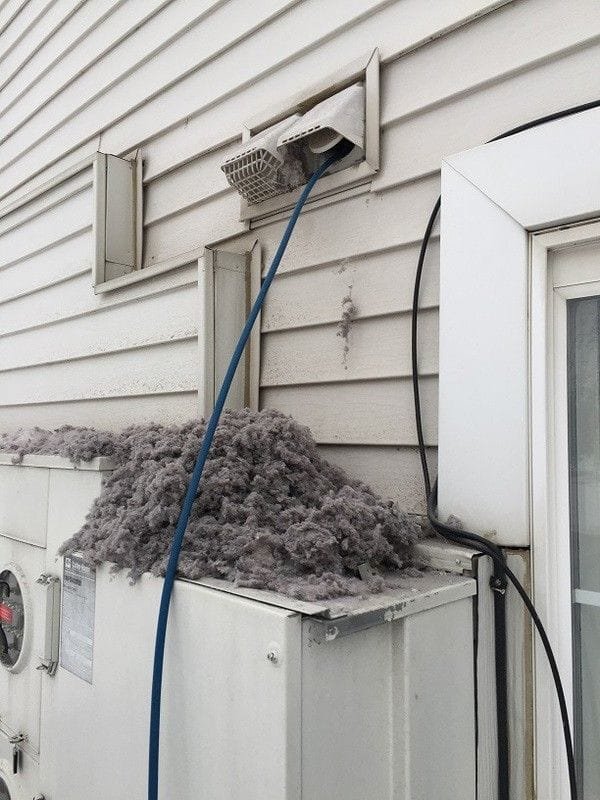
Clear the Vent Beyond the Lint Screen
Dryer vent cleaning services remove lint and debris from the duct that carries warm, moist air from your dryer to the exterior outlet. Cleaning the lint screen after each load helps, but it does not remove buildup that collects farther inside the vent line.
Colorado StainMaster can discuss residential or commercial dryer vent cleaning based on the vent layout and your concerns. The service may include an inspection, lint removal, cleaning of accessible vent sections, and a check of the exterior outlet.
If clothes take longer to dry or lint gathers around the vent opening, share those details when arranging service. A clear understanding of the issue helps define what the cleaning visit should cover. Mechanical dryer problems may need separate attention.
Signs Your Dryer Vent Needs Attention
A clogged dryer vent can restrict airflow and make it harder for moist air to leave the dryer. One common sign is clothes taking more than one cycle to dry. You may also notice excess heat around the dryer, lint near the exterior outlet, or a vent flap that does not open freely.
These signs can have more than one cause. A worn hose, crushed duct, or dryer problem may affect performance too. An inspection can help identify visible blockage and show whether lint buildup may be restricting the vent.
If you notice a burning smell or the dryer becomes unusually hot, stop using it until the cause has been assessed. Vent cleaning can remove lint, but it cannot repair a mechanical fault or damaged duct.
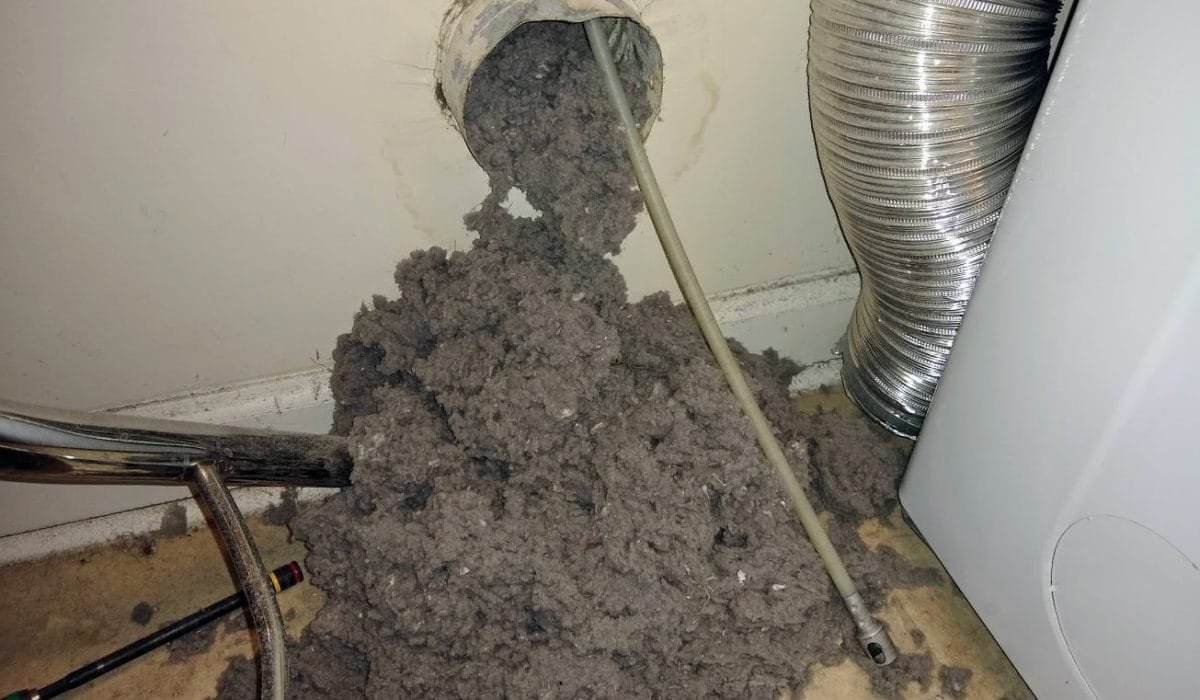
From Vent Inspection to Lint Removal
Inspect the Vent Route
We review the accessible duct path, hose, exterior outlet, and any concerns you have noticed.
Remove Lint and Debris
The cleaning focuses on accessible sections of the vent line and outlet, based on the agreed scope.
Review Airflow and Completion
Where service conditions allow, we check the vent after cleaning and review the completed work with you.
What We Check During Dryer Vent Service
A dryer vent cleaning visit can start with a review of the duct route, hose, and exterior outlet. The vent’s length, turns, access, and condition can affect what sections are reachable and how cleaning is completed. If the duct is crushed, disconnected, or damaged, it may need repair beyond routine cleaning.
Lint removal focuses on buildup within the agreed accessible vent sections. The exterior outlet can also be checked for visible debris or a flap that may be blocked. Airflow checks before and after cleaning can be discussed when conditions allow.
Before work begins, confirm which areas are included. Afterward, ask about any visible concerns that could not be resolved through cleaning alone. This helps separate maintenance needs from duct or appliance problems.
Benefits of Removing Dryer Vent Buildup
Improved Airflow
Removing lint and debris can help air move through the vent line more freely again.
Shorter Drying
A clear vent may help reduce repeat cycles when restricted airflow has slowed clothes drying.
Lint Control
Removing loose lint from the duct and outlet can reduce buildup along the vent path.
Outlet Check
Checking the exterior outlet can reveal debris or a flap that does not move freely.
Routine Upkeep
Scheduled maintenance helps residential and commercial owners keep vent cleaning on their property care list.
More Confidence
Knowing the vent line was reviewed can help you make informed choices about dryer upkeep.
Why the Full Vent Path Matters
The lint screen catches some fibers during each drying cycle, while fine lint can still pass into the exhaust path. Over time, buildup may collect in the hose, duct, bends, or exterior outlet. Cleaning only the screen does not address those sections.
The vent route and materials matter too. A long or sharply bent duct may require more attention than a short, accessible path. If the duct is damaged or poorly connected, cleaning alone may not resolve airflow concerns. Share any known layout details before service, and point out where the dryer vents outside.
After cleaning, follow the dryer and vent manufacturer’s care guidance. If drying problems continue, have the dryer and duct checked for issues outside the scope of lint removal.
A Clear Approach to Dryer Vent Care
Defined Access
We discuss which accessible vent sections, hose areas, and outlet points are included before cleaning starts.
Airflow Review
Where service conditions allow, airflow checks can help compare vent performance before and after cleaning.
Careful Setup
The vent route and equipment setup are discussed to support orderly work around the laundry area.
Service Summary
We review the service and note visible concerns that may need further assessment beyond cleaning.
FAQs
How often should a dryer vent be cleaned?
Timing depends on dryer use, vent layout, and lint buildup. Follow manufacturer guidance and arrange an inspection if you notice performance changes.
Does dryer vent cleaning include the lint screen?
The lint screen is usually cleaned by the dryer owner between loads. Vent service focuses on the duct and exhaust path included in the agreed scope.
Can cleaning help clothes dry faster?
It may help when lint buildup is restricting airflow. If drying remains slow, the dryer, hose, or duct may need further assessment.
Do you clean commercial dryer vents?
Commercial dryer vent cleaning can be discussed based on the equipment, vent access, and service scope.
What should I do if my dryer smells like it is burning?
Stop using the dryer and have the cause assessed before operating it again. Cleaning may remove lint, but it does not fix mechanical or electrical faults.
Schedule Dryer Vent Cleaning
Tell Colorado StainMaster whether you need residential or commercial dryer vent cleaning, what changes you have noticed, and any details you know about the vent route. You can ask about lint removal, duct cleaning, exterior outlet inspection, and airflow checks.
The next step is to discuss access and confirm the service scope. If the vent appears damaged or the dryer has a mechanical issue, that may require a separate assessment beyond cleaning.