
Rug Cleaning Services
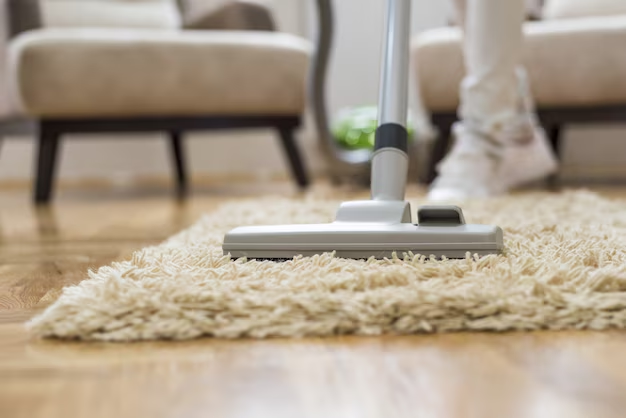
What Does Professional Rug Cleaning Include
Professional rug cleaning removes soil from the pile and addresses stains or odors using a method suited to the rug. It begins with identifying the fibers, checking the dyes, and looking at the backing, fringe, wear, and any previous damage.
Cleaning may involve removing loose dust, treating individual spots, and washing or cleaning the rug as its materials allow. Drying and a final inspection matter just as much as the wash. Moisture left in a rug can cause problems, while aggressive treatment can affect color or texture.
A stain may be permanent if it has altered the dye or fiber. An inspection helps determine what cleaning can improve and what should be left alone to protect the rug.
Who Needs Rug Cleaning, and When
Rug cleaning is useful when vacuuming no longer removes the dirt you can see, or when a rug holds an odor after a spill or pet accident. Rugs in busy rooms may need attention sooner because foot traffic presses grit into the pile.
Delicate rugs also deserve a closer look before cleaning. Wool, silk, handmade, Oriental, and Persian rugs can differ in their dyes, weave, and backing. Their names alone do not tell you which treatment is safe. If you are unsure what your rug contains, avoid soaking it or applying a strong cleaner.
You do not need to wait for a major stain. Ask for an assessment when the rug looks dull, feels gritty, or has a spot you cannot remove safely.

How Does the Rug Cleaning Process Work
Inspect the Rug
We check fibers, dyes, backing, fringe, stains, and wear before choosing a suitable cleaning method.
Clean and Treat
We remove loose soil, treat specific spots, and wash or clean according to material needs.
Dry and Check
We dry the rug carefully, inspect the results, and explain any remaining stains or damage.
What Are the Signs Your Rug Needs Cleaning?
A rug can look clean from across the room while holding dust close to its backing. Check high traffic paths for flattened piles, faded looking patterns, or a rough feel underfoot. A visible puff of dust when the rug moves can also point to soil trapped below the surface.
Spots that return after cleaning may mean a spill reached deeper than the surface. A lingering odor can have a similar cause, especially when liquid soaked through the rug. Fraying, loose fringe, or color that transfers onto a damp white cloth calls for extra caution.
These signs help guide the next step. Some call for cleaning, while damage or unstable color may require a more limited treatment.
What Are the Benefits of Professional Rug Cleaning
Fresher Fibers
Remove embedded soil that vacuuming leaves behind, helping the pile look cleaner and feel softer.
Deeper Cleaning
Reach soil held within the pile, where surface cleaning and regular vacuuming may have limited effect.
Odor Reduction
Target common household smells at their source when possible, instead of covering them with fragrance.
Brighter Appearance
Lift soil that mutes patterns and colors, revealing the rug’s appearance without promising stain removal.
Gentler Care
Gentle methods matched to fiber and dye risks help reduce avoidable shrinkage, bleeding, and wear.
Longer Rug Life
Removing grit may reduce daily fiber wear as people walk across the rug over time.
How Are Rug Fibers and Colors Protected
Safe rug cleaning starts with checking how the fibers and dyes may respond. Where needed, a small, less visible area can be tested before broader treatment. The method should also account for the rug’s backing, fringe, and any weak or worn sections.
More scrubbing is not always better. It can roughen fibers or spread a stain. Too much moisture can affect dyes, backing, or drying time. We choose treatment with those risks in mind and check the rug after it dries.
Some marks cannot be removed without causing further damage. When that happens, protecting the rug is the better outcome. We explain the limit so you know what to expect from cleaning.
Why Choose Colorado StainMaster
Fiber Assessment
We identify material and construction because a wool rug may need different care than cotton.
Careful Handling
We account for fringe, backing, worn areas, and color transfer risks before cleaning the rug.
Clear Recommendations
We explain the proposed approach and realistic limits, so you can decide with clear expectations.
Final Inspection
We review cleanliness, dryness, and visible changes, then discuss spots that could not safely lift.
FAQs
Is rug cleaning different from carpet cleaning?
Yes. Rugs can have different fibers, dyes, and backing than fitted carpet. A cleaner should check the rug first and choose a method that suits its materials.
How do I know if my rug needs professional cleaning?
Look for dull colors, a gritty feel, stains, or odors that remain after vacuuming. If a spill reached the backing, ask for an assessment before trying another cleaner.
Can wool and silk rugs be cleaned?
Yes, but they need careful handling. Wool and silk can react differently to water and cleaning products. Tell the cleaner what your rug is made of, if you know, so they can check it first.
Will cleaning remove every stain and odor?
No. Results depend on what caused the stain or odor, how long it has been there, and whether it changed the fibers or dyes. An inspection can help set clear expectations.
Why does drying matter after rug cleaning?
A rug needs to dry fully to protect its backing and shape. Slow or uneven drying can cause problems. Ask how the rug will be dried and checked before it is returned to use.
Ready to Care for Your Rug?
If your rug looks dull, holds an odor, or has a stain you are unsure how to treat, tell Colorado StainMaster what you have noticed. It helps to share the rug’s material if you know how the problem started, and whether you have already used a cleaner in the area.