
Upholstery Cleaning Services
What Is Professional Upholstery Cleaning
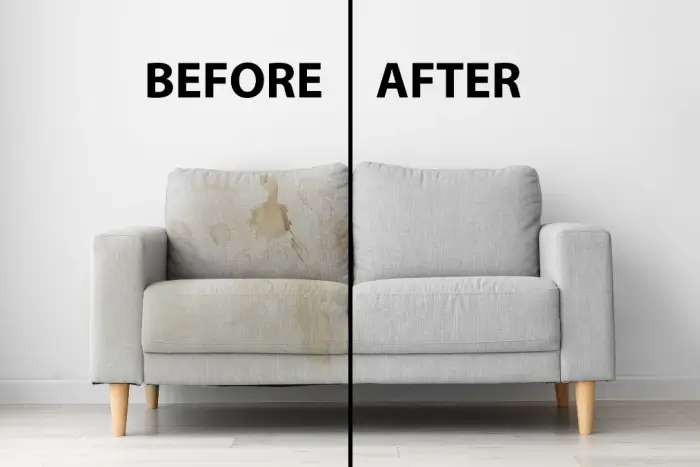
Professional upholstery cleaning removes soil from furniture and treats stains or odors when the material allows. It can cover sofas, couches, dining chairs, office chairs, and other upholstered pieces.
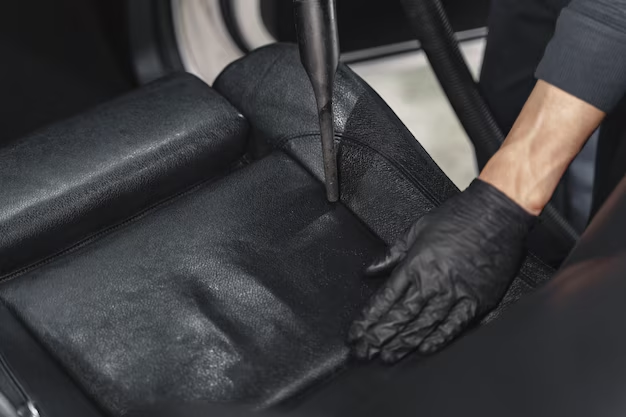
The work begins with identifying the fabric or finish and checking the furniture’s care instructions. Cleaning may then involve removing loose dust, treating spots, and cleaning the surfaces people use most. Leather requires care suited to its finish rather than a fabric cleaning method.
The goal is to improve the furniture’s cleanliness and appearance without making promises the material cannot support. Cleaning can lift soil, but it cannot repair tears, faded dye, or a worn finish.
Who Needs Upholstery Cleaning and When
Consider cleaning when vacuuming no longer helps a sofa look fresh, an armrest feels greasy, or a stain remains after a spill. A lingering odor can also be a reason to have the furniture assessed, especially if liquid may have reached a cushion.
Furniture used by children, pets, guests, or customers may show soil sooner in high contact areas. Dining chairs and shared seating often need attention for different reasons, so the concern should guide the assessment.
If you have already applied a cleaning product, let us know what you used. That detail can affect the recommended treatment. If the fabric is torn or the leather is peeling, ask whether cleaning is likely to help before booking.
How Does Upholstery Cleaning Work
Assess the Upholstery
We check the care instructions, material, stains, seams, and wear before discussing a suitable approach.
Clean Target Areas
We remove loose soil and treat affected surfaces using a method suited to the furniture.
Check and Explain
We review the result, identify marks that remain, and explain drying time and aftercare.
Upholstery Care and Quality Standards
Furniture does not all respond to cleaning in the same way. Care instructions, fabric type, color stability, and existing damage must be considered before a method is chosen. Some pieces allow water based cleaning, while others need a different approach or only limited care.
We also consider where a spill went. A mark on the fabric surface may respond differently from liquid that reached the cushion filling. Cleaning should address the cause where possible and leave the furniture properly dried before regular use.
If a treatment could put the material at risk, we explain the concern. You should know what can reasonably improve and what may remain before work begins.
Benefits of Professional Upholstery Cleaning
Fresher Seating
Removing built up soil can make the seats you use each day feel more pleasant.
Cleaner Armrests
Targeted cleaning addresses the darkened areas where hands and arms leave oils and dirt.
Improved Appearance
Lifting surface soil can help sound fabric show its color and pattern more clearly.
Odor Attention
An assessment helps identify whether an odor can be treated through upholstery cleaning.
Material Care
Choosing a method for the specific fabric or finish helps avoid unsuitable treatment.
Easier Maintenance
Aftercare guidance helps you care for the furniture and respond to future spills.
Why Choose Colorado StainMaster
Careful Assessment
We look at the furniture’s material and condition before recommending how it should be cleaned.
Focused Treatment
Your main concerns guide attention to the seats, arms, cushions, stains, or odors involved.
Honest Expectations
We explain when cleaning may improve a mark and when wear or damage may remain.
Useful Aftercare
You receive guidance on drying and using the furniture after the cleaning is complete.
FAQs
Can you clean every type of sofa?
Not every sofa can be cleaned with the same method. Its care instructions, fabric, and condition need to be checked first.
Will cleaning remove a stain from my chair?
It may. The result depends on the stain and whether it changed the fabric’s color or fibers. An assessment helps set expectations.
Can leather furniture be cleaned?
Many leather pieces can receive care suited to their finish. Cleaning cannot repair peeling, cracks, or a finish that has worn away.
Should I try another cleaner before calling?
If a product has already failed, ask for guidance before applying more. Tell the cleaner what you used so they can assess the area.
When can I use my furniture again?
Wait until the cleaned areas are fully dry. The time needed depends on the material and cleaning method.
Ready to Feel Good About Your Furniture Again?
Tell us which piece needs attention and what you have noticed. We can assess the material, discuss the likely result, and recommend a suitable next step. You will understand the approach before deciding whether to schedule cleaning.