
Flood Restoration
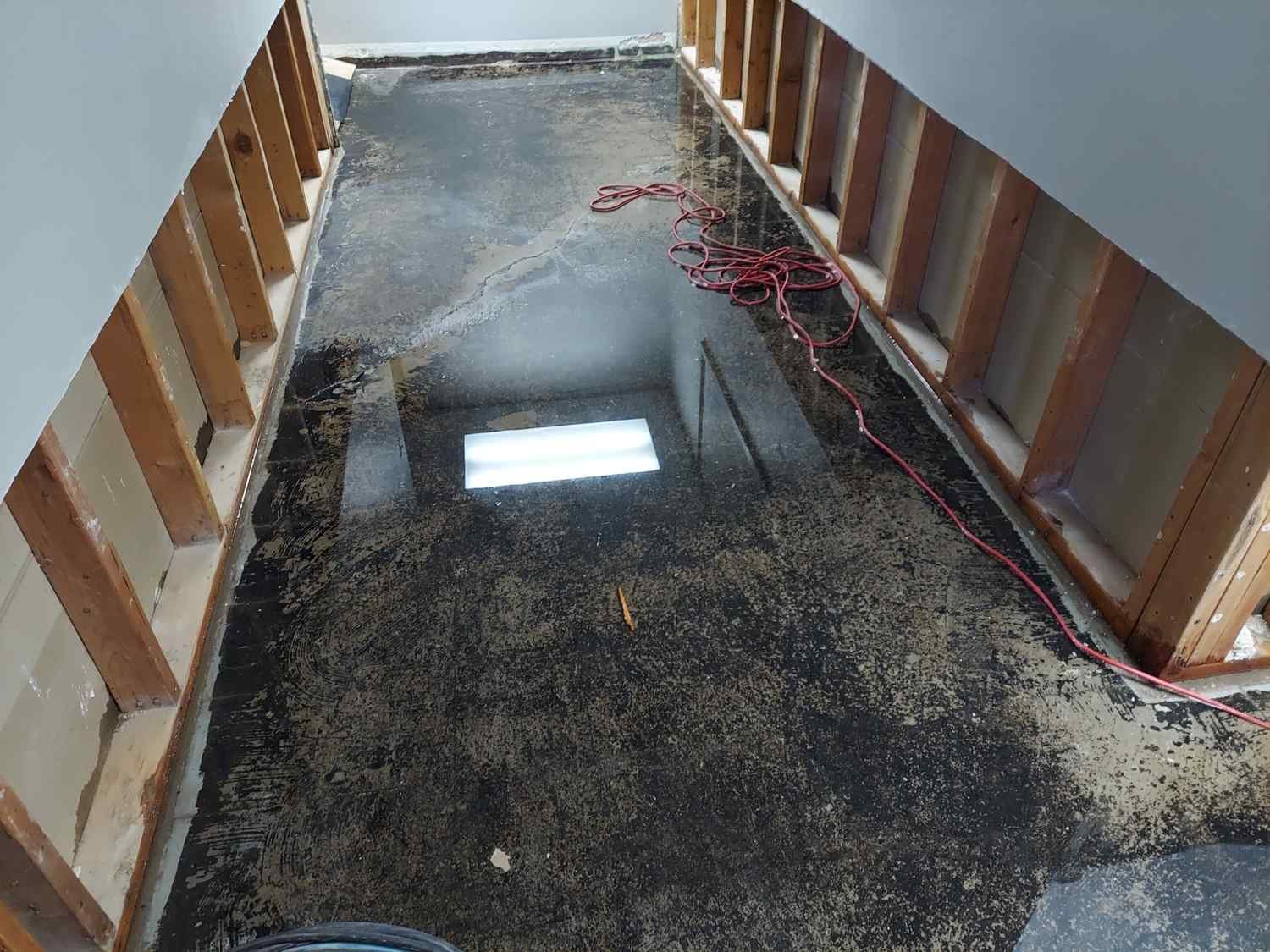
Water Extraction, Structural Drying and Damage Recovery
Carpet cleaning services help remove tracked dirt, dust, stains, and odors from carpeted spaces. Colorado StainMaster can discuss cleaning for homes, offices, and other commercial interiors, with the service scope shaped around the carpet’s condition and your priorities.
Some carpets need routine maintenance, while others may need deep carpet cleaning after heavy use, spills, or a period without care. Rugs can also be included in the discussion. Before scheduling, describe the areas, visible concerns, and any spots that need extra attention.
The carpet type and backing matter when choosing an approach. Sharing care instructions or previous cleaning details helps set expectations and guide the service plan. You can ask about residential carpet cleaning, commercial carpet cleaning, or a focused treatment for specific areas.
What It Takes to Restore a Flooded Space
Flood restoration includes removing standing water, evaluating wet materials, cleaning affected areas when appropriate, and drying the structure. Some belongings and building materials can be cleaned or dried. Others may need removal because of their condition or the water they contacted.
The water source, depth, and time spent wet all shape the plan. A flooded basement with pooled water presents different needs from a room where the water has drained but soaked into walls. An assessment helps define what happened and what work comes next.
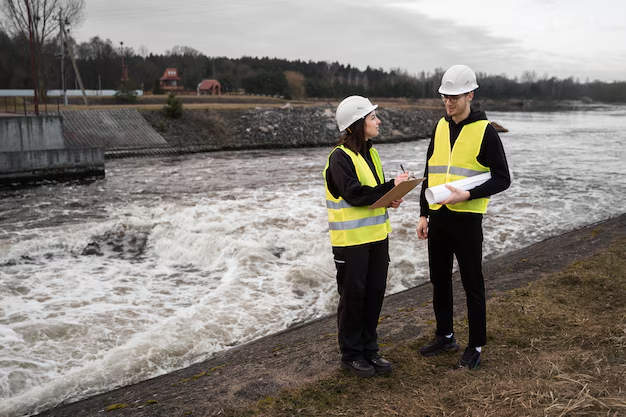
The First Three Stages of Flood Recovery
Trace Where the Water Went
We review affected rooms, flooring, walls, and belongings to understand where moisture may remain out of sight.
Extract Water and Evaluate Materials
We remove standing water and assess which wet materials may be cleaned, dried, or removed.
Confirm Drying Before Repairs
We check moisture as drying progresses and identify areas needing more attention before repair work.
When Floodwater Reaches Floors, Walls or Belongings
Ask for help when water covers a floor, reaches the base of a wall, enters a basement, or soaks stored items. You should also consider an assessment when the standing water is gone but floors remain damp, walls feel wet, or an odor develops.
Quick action matters once the building is safe to enter. Moisture left in building materials can create further problems, and some areas are difficult to dry without the right plan. The EPA advises prompt response to water damage and notes that professional help may be needed for thorough drying.
What a Thorough Flood Response Can Improve
Standing Water Removed
Extraction clears pooled water so affected flooring, walls, and contents can be assessed more fully.
Hidden Moisture Found
Moisture checks help locate damp materials that may look dry on the surface.
Safer Cleanup Choices
The water source and material condition help guide cleaning, handling, and removal decisions.
Focused Structural Drying
A drying plan addresses wet building materials instead of relying on open windows alone.
Defined Repair Needs
Assessment helps identify damaged materials that may need replacement after cleanup and drying.
Tracked Drying Progress
Follow up checks show which areas are drying and which still need attention.
Flood Damage Assessment Standards
A restoration plan should account for the water source, affected materials, and moisture beyond the visible flood line. Removing pooled water is an early step, but it does not prove that flooring, walls, or insulation are dry. We assess materials individually because they do not all respond to flooding in the same way. The findings guide extraction, cleanup, drying, and removal decisions. Moisture checks then help show whether drying is progressing. The ANSI/IICRC S500 standard addresses inspection, drying, safety, contents, and building materials in professional water damage restoration. It provides a useful framework for understanding why assessment and verification matter.
Clear Decisions at Every Stage of Recovery
Visible Damage Scope
We explain which areas were affected and where water may have traveled beyond view.
Water Source Review
Knowing where floodwater came from helps guide cleanup and decisions about affected materials.
Recorded Moisture Checks
Moisture readings help track drying and show which areas may still need work.
Explained Repair Limits
We clarify what restoration addresses and which damage may require separate repair work.
FAQs
Is it safe to enter a room with standing water?
Do not enter if electricity may be active near the water or the building may be unsafe. If you cannot shut off power from a dry place, call an electrician.
Is pumping out the water enough?
No. Moisture may remain under flooring or inside walls after standing water is removed. Those areas need assessment.
Does all wet drywall need to be removed?
Not always. The decision depends on the water source, the drywall’s condition, and how long it stayed wet.
How do you know when drying is complete?
Moisture checks help track the affected materials. Looking or touching alone may miss water inside or beneath them.
Can restoration begin before the water source is fixed?
The source needs to be addressed so more water does not enter. Cleanup and drying plans should account for that risk.
Start With a Safe Damage Assessment
Tell Colorado StainMaster when the flooding happened, where the water entered, and which rooms or belongings were affected. Once the space is safe to assess, we can explain the likely cleanup and drying needs, along with any damage that may require repair.