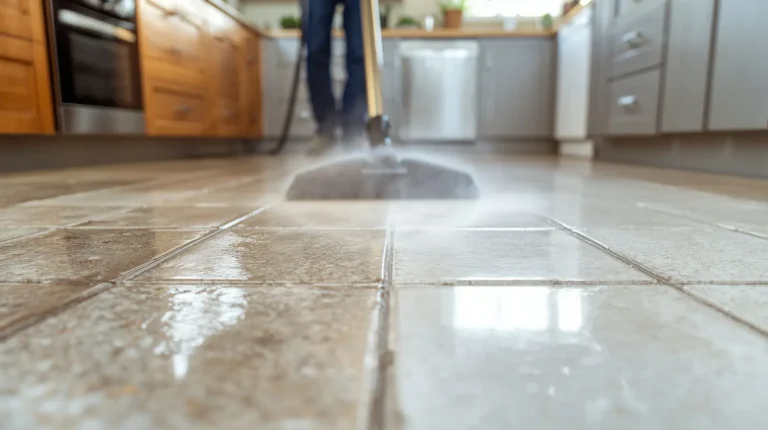
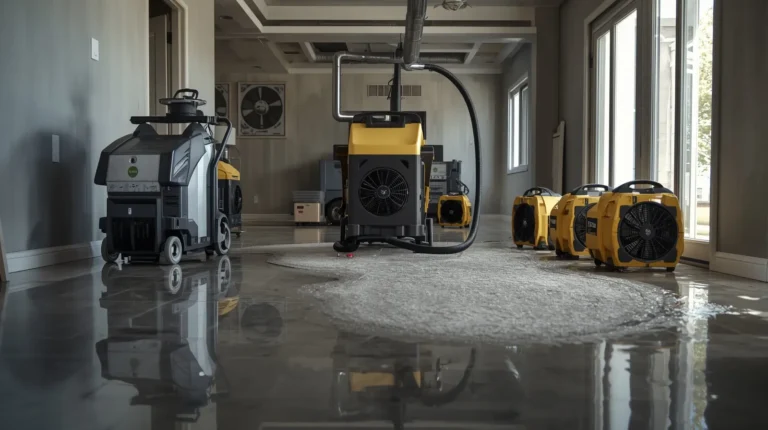
Sewage cleanup in basement areas should happen immediately after a sewer backup because contaminated water can damage floors, walls, furniture, and indoor air quality. Fast cleanup, drying, and sanitation help reduce health risks and prevent long term property damage.
A basement sewer backup can quickly become a serious problem for homeowners. Sewer water may contain bacteria, waste, chemicals, and harmful contaminants that should never stay inside a home for long. Quick cleanup helps protect both the property and the people living inside it.
This guide explains the common causes of sewer backups, warning signs homeowners should watch for, steps to take after discovering raw sewage in basement spaces, and how professional cleanup services help prevent future damage. You will also learn how proper maintenance can lower the risk of another sewage backup later.
Why Basement Sewer Backups Create Serious Health And Property Risks
Many homeowners feel overwhelmed when they first see sewer water in basement spaces. The smell alone can make the situation stressful. However, the real danger often comes from the harmful contaminants hidden inside the water.
Sewage water may contain bacteria, viruses, mold spores, and chemicals that can affect indoor air quality. Children and pets face even greater risks because they spend more time close to floors and contaminated surfaces.
Moisture also spreads quickly through building materials. Water can move behind drywall, under flooring, and inside insulation within hours. If the area stays wet too long, mold growth may begin.
Wood framing may weaken over time when moisture remains trapped inside the basement. Flooring materials can also swell, crack, or separate after a sewer backup.
Fast cleanup helps reduce these risks before the damage spreads further through the home.
Common Warning Signs Of Sewer Water In Basement Areas
Many sewer problems begin with small warning signs before a major backup happens. Homeowners who notice these issues early may prevent larger cleanup problems later.
Common Signs To Watch For
- Slow draining sinks, showers, or toilets
Water may move slowly because of a clogged sewer line or blocked drain system. - Foul smells near basement drains
Strong odors often become worse during rainy weather or after heavy water use. - Gurgling sounds inside pipes
These noises may point to pressure problems inside the sewer system. - Multiple drains backing up at once
More than one drain problem usually signals a larger sewer line issue. - Water collecting near floor drains
Even small amounts of standing water may indicate a developing sewer backup below the home. - Basement drain backing up during laundry use
Some homeowners notice water returning through drains when washing clothes or using large amounts of water. - Frequent toilet overflow problems
Repeated overflow issues may point to a blocked main sewer line. - Bubbling water inside drains
Air trapped inside clogged pipes can create bubbling or popping sounds.
These warning signs often appear before a major sewer backup occurs. Early action may help homeowners avoid severe water damage and expensive cleanup costs.
What Causes A Basement Sewer Backup To Happen
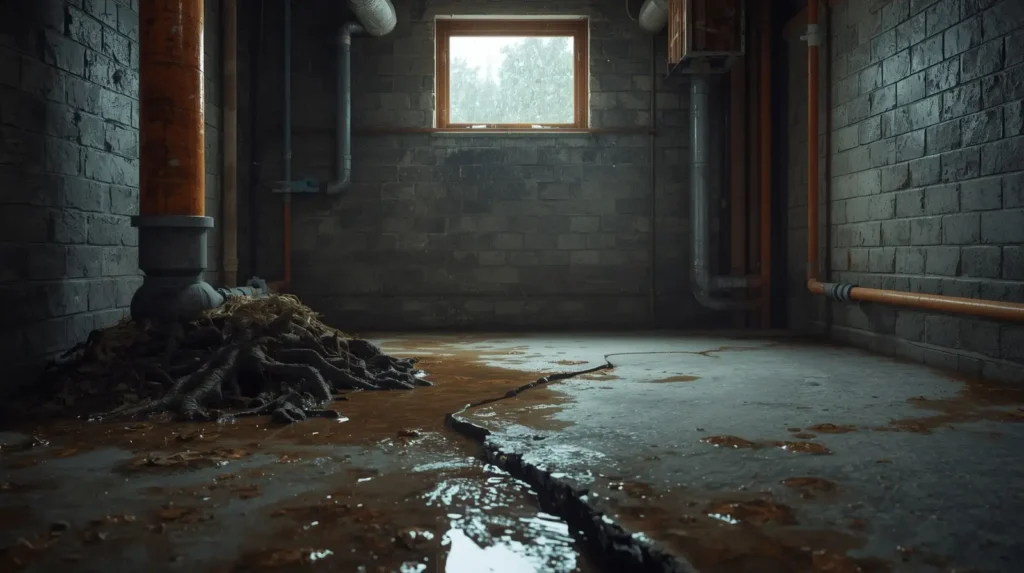
Several plumbing issues may cause a basement sewer backup. Some problems develop slowly over time, while others happen suddenly during storms or plumbing failures.
Tree roots are one of the most common causes of sewer line backup problems. Roots naturally search for moisture underground and may grow into older sewer pipes through small cracks.
Grease, wipes, paper towels, and debris can also clog drain systems over time. These materials block water flow and create pressure inside pipes.
Heavy rainstorms sometimes overload city sewer systems. During flooding, excess water may push back through basement drains and plumbing fixtures.
Older homes may also have aging sewer pipes that crack, collapse, or shift underground. Broken pipes increase the risk of water backing up into the home.
Some families experience problems because of a backed up storm drain or damaged main sewer line connected to the property.
Routine inspections help identify these issues before they create expensive water damage.
Immediate Steps To Take After Discovering Raw Sewage In Basement Spaces
Homeowners should avoid touching contaminated water directly after discovering raw sewage in basement areas. Protective gloves, boots, and masks help reduce exposure to harmful bacteria.
Children and pets should stay away from the affected area immediately. Contaminated water spreads germs quickly across floors and surfaces.
If safe to do so, turn off electricity to the basement before entering standing water. Electrical hazards become very dangerous when water reaches outlets or appliances.
Avoid using sinks, toilets, washing machines, or showers until the sewer problem is inspected. Additional water use may worsen the backup.
Opening windows may help improve ventilation inside the basement. However, strong fans should not blow contaminated air throughout the rest of the house.
Professional cleanup teams use specialized drying equipment, moisture meters, and sanitation products designed for sewage cleanup situations.
Fast action often helps reduce both cleanup costs and long term property damage.
How Professional Sewage Cleanup In Basement Areas Helps Prevent Long Term Damage
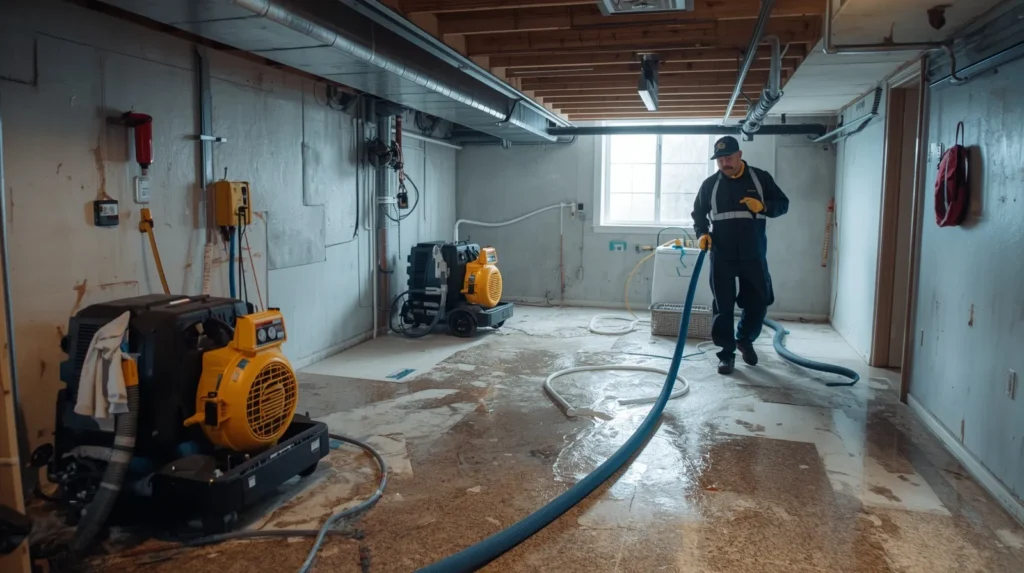
Professional cleanup services involve much more than removing visible water from the floor. Moisture often spreads into hidden areas where homeowners cannot easily see it.
Cleanup technicians inspect walls, flooring, insulation, and structural materials for trapped moisture. Commercial drying systems help remove water from deep inside building materials.
Sanitation also plays a major role during sewage cleanup. Professionals disinfect contaminated surfaces to reduce bacteria and odor problems.
Air movers and dehumidifiers help lower indoor humidity levels during the drying process. Lower humidity helps prevent mold growth after water damage.
Some materials cannot be fully cleaned after severe contamination. Wet carpet, insulation, and damaged drywall sometimes require removal to protect indoor air quality.
Colorado StainMaster uses professional restoration equipment designed to handle sewage backup cleanup safely and thoroughly for homeowners dealing with difficult basement water damage situations.
Materials That Often Need Replacement After Sewer Water Damage
Not every damaged material can be saved after sewer water enters a basement. The level of contamination usually determines what can stay and what should be removed.
Flooring Materials
- Carpet and carpet padding
Carpet absorbs contaminated water quickly and may trap bacteria deep inside the fibers. Padding underneath usually requires replacement after severe flooding. - Laminate flooring
Laminate materials often swell, crack, or separate because moisture weakens the inner layers. - Hardwood flooring
Wood flooring may warp, bend, or develop mold if moisture remains trapped underneath for too long.
Wall And Insulation Materials
- Drywall
Drywall absorbs sewage water easily and may become unsafe after contamination. - Insulation
Wet insulation loses its effectiveness and may support mold growth behind walls.
Furniture And Household Items
- Mattresses and fabric furniture
Soft materials absorb contaminated water quickly and are difficult to sanitize completely. - Cardboard boxes and paper items
Stored boxes, documents, and books often become heavily damaged after water exposure. - Upholstered furniture
Couches and chairs may hold bacteria and strong odors after contact with sewage water.
Structural Materials
- Wooden framing
Long term moisture exposure may weaken wooden support structures inside the basement. - Baseboards and trim
These materials often absorb water and may swell or separate from walls.
Personal Storage Items
- Clothing and fabric materials
Some washable items may be cleaned safely, but heavily contaminated fabrics often require disposal. - Electronics and appliances
Water exposure may damage internal electrical parts and create safety hazards.
Professional inspections help homeowners decide which materials can be restored safely and which items should be replaced.
How To Prevent Future Sewer Backup Problems In Your Basement
Preventive maintenance helps lower the chance of another sewer backup happening later. Small plumbing issues often become larger problems when ignored for too long.
Routine drain inspections help identify buildup, cracks, and sewer line problems early. Plumbing professionals may also use camera inspections to locate hidden damage underground.
Homeowners should avoid flushing wipes, grease, paper towels, and large debris into drains or toilets. These materials increase the risk of clogged sewer lines.
Installing a backwater valve may also help protect basements during heavy storms. This device helps stop sewer water from flowing backward into the home.
Cleaning gutters and directing water away from the property also reduces pressure on underground drainage systems.
Many homeowners in Colorado Springs schedule regular sewer maintenance to help reduce future plumbing emergencies and costly basement water damage repairs.
When A Sewer Backup Becomes An Emergency Situation
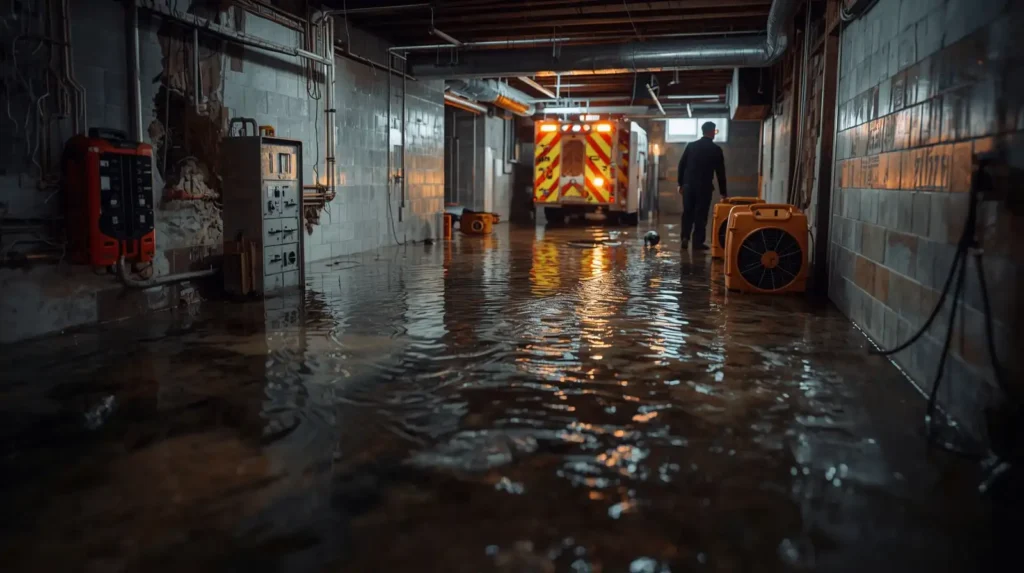
Some sewer problems require immediate emergency cleanup services. Fast spreading water can quickly affect multiple rooms inside the home.
Standing water near electrical outlets, appliances, or breaker panels creates serious safety risks. Homeowners should avoid entering flooded areas when electricity may still be active.
Strong sewage odors, overflowing drains, and rapidly rising water levels also signal an emergency situation.
Families should seek immediate professional help when contaminated water reaches living areas, bedrooms, or HVAC systems. These situations increase the risk of indoor air contamination.
Large sewage spills may also affect crawl spaces, wall cavities, and structural framing beneath the home.
Quick response times often help reduce both health risks and repair costs after major sewer backups.
Choosing A Basement Sewage Cleanup Company In Colorado Springs
Homeowners should choose experienced cleanup professionals who understand water damage restoration, sanitation, and moisture control properly.
A trusted company should inspect the entire basement carefully instead of focusing only on visible standing water. Hidden moisture often causes problems later if drying remains incomplete.
Good communication also matters during stressful cleanup situations. Homeowners should feel comfortable asking questions about the drying process, sanitation methods, and estimated timelines.
Licensed and insured restoration teams often provide greater peace of mind during emergency situations.
Colorado StainMaster helps homeowners protect their property through professional cleanup methods designed to reduce contamination, remove moisture, and restore safer indoor conditions after sewer backup damage.
Why Homeowners Trust Colorado StainMaster For Basement Sewage Cleanup Services
Sewer backups create stressful situations that require fast action and careful cleanup. Delaying cleanup may increase water damage, mold growth, odors, and structural problems throughout the home.
Professional restoration teams help homeowners remove contaminated water safely while protecting indoor air quality and preventing additional moisture damage.
Experienced technicians understand how hidden moisture affects floors, walls, insulation, and structural materials after a sewer backup.
Homeowners who respond quickly often reduce long term repair costs and avoid more serious property damage later.
If you are dealing with sewer water, flooding, or raw sewage cleanup problems inside your basement, contact Colorado StainMaster today for professional help restoring a cleaner and safer home environment.