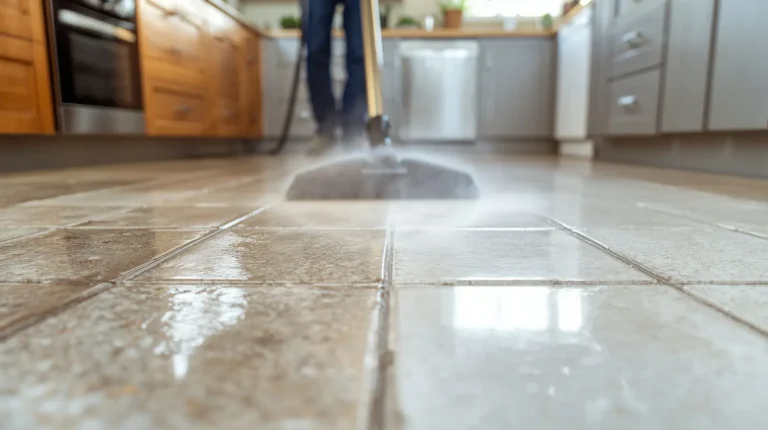
Basement restoration water damage happens when water enters a basement and damages floors, walls, furniture, insulation, or other parts of the home. Fast cleanup and professional drying help prevent mold, odors, and expensive structural repairs.
Water damage in a basement can spread quickly if homeowners wait too long to respond. Standing water may soak into walls, flooring, furniture, and wooden support areas within hours. Fast action helps reduce repair costs and lowers the chance of mold growth. Professional flooded basement cleanup services remove water, dry affected materials, and restore safer living conditions.
Many homeowners feel stressed after finding water in their basement. Some people notice flooding after heavy rain, while others deal with broken pipes, sump pump failures, or leaking appliances. No matter how the flooding starts, quick water cleanup in basement areas is important for protecting the home.
Why Water Damage In A Basement Can Become A Serious Problem Fast
Water damage spreads faster than many people expect. Wet carpet, drywall, and wood can begin absorbing moisture almost immediately. When this happens, materials may weaken, swell, or start breaking apart.
A flooded basement also creates the perfect environment for mold growth. Moisture trapped behind walls or under flooring often stays hidden for days. Many homeowners do not notice the problem until musty odors appear.
Electrical systems may also become dangerous during flooding. Water near outlets, appliances, or electrical panels increases safety risks. Homeowners should avoid entering flooded areas until the space is safe.
Some people try to ignore minor flooding because the damage seems small at first. Unfortunately, even small leaks can create larger problems later. Quick flooded basement water removal helps stop damage before repairs become more expensive.
Common Signs Your Home May Need Flooded Basement Cleanup Services
- Sump pump running constantly or failing during storms
- Damp or musty smells coming from the basement
- Water stains appearing on walls or floors
- Wet carpet or soft flooring after rain or leaks
- Mold spots growing on walls, furniture, or storage boxes
- Peeling paint or bubbling wall surfaces
- Standing water near drains or basement corners
- High humidity or sticky air inside the basement
- Cracks in basement walls or foundation areas
- Rust forming on metal appliances or pipes
- Warped wood, damaged drywall, or swollen baseboards
- Increased allergy symptoms caused by hidden moisture
What Causes Basement Flooding During Heavy Rain And Plumbing Failures
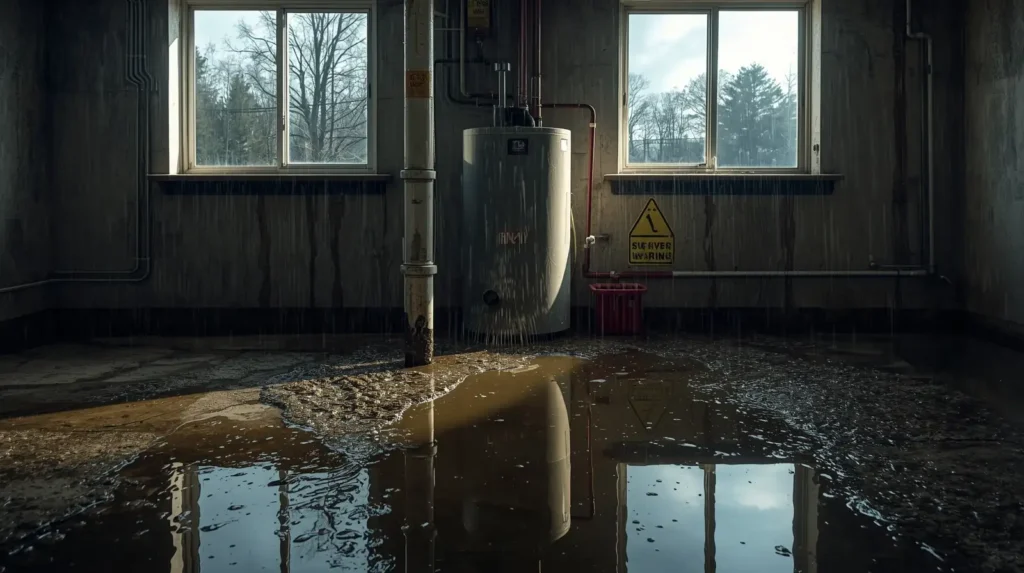
Several problems can lead to basement flooding. Heavy rain is one of the most common causes. Water may enter through cracks in the foundation or around basement windows.
Poor drainage outside the home can also increase flooding risks. Gutters filled with debris may overflow near the foundation instead of moving water away safely.
Broken pipes, leaking water heaters, and washing machine failures often cause sudden indoor flooding. Some homeowners also experience sump pump failures during storms when they need the system most.
Sewer backups create another serious issue. Dirty water entering the basement can spread bacteria and strong odors throughout the home.
Many wet basement cleanup companies inspect both the visible damage and the original cause of flooding. Finding the source helps prevent future problems.
The First Steps To Take Before Starting Water Removal From Basement Areas
Homeowners should stay calm after discovering flooding. The first step involves protecting personal safety. Turn off electricity in the affected area if it is safe to do so.
Remove small items, electronics, and important belongings from wet areas. Fast action may help save furniture, family photos, and valuable documents.
Avoid using household fans if dirty floodwater entered the basement. Moving contaminated water through the air may spread bacteria.
Take photos of the damage before cleanup begins. Insurance companies often request documentation during claims.
Professional teams use specialized tools for water removal from basement spaces. Large pumps, industrial dryers, and moisture meters help remove water more effectively than standard household equipment.
How Professional Basement Water Removal Service Helps Prevent Long Term Damage
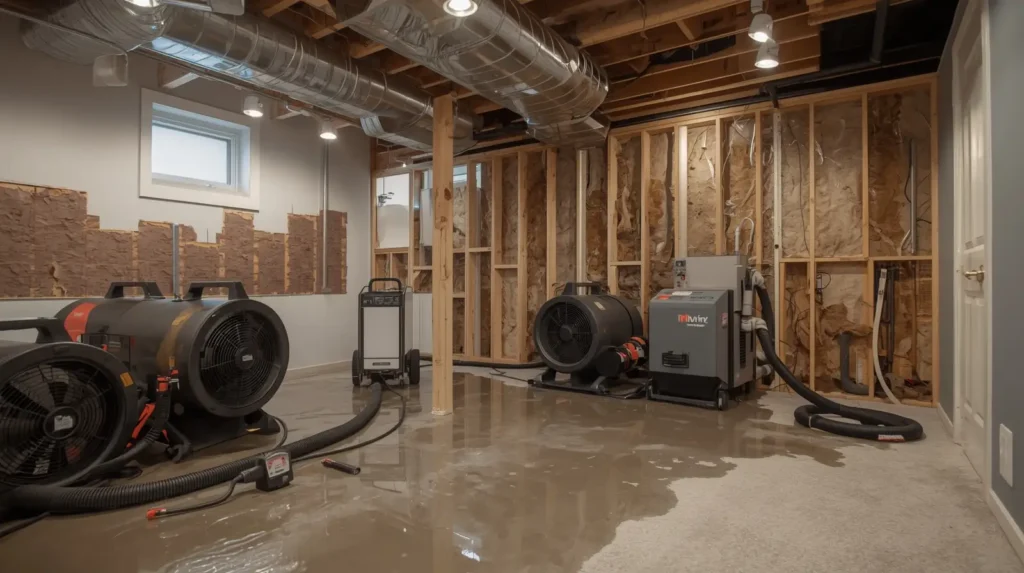
Professional cleanup teams do more than remove visible water. They also dry hidden moisture trapped behind walls, under flooring, and inside insulation.
Without proper drying, moisture may stay inside building materials for weeks. This hidden water can weaken wood framing and create mold growth later.
A professional basement water removal service uses commercial drying equipment designed for deep moisture removal. Technicians also monitor humidity levels during the drying process.
Some materials cannot be saved after severe flooding. Damaged drywall, insulation, and flooring may require replacement to protect indoor air quality.
Colorado StainMaster uses proven cleanup methods that help reduce long term damage while restoring safer living conditions for homeowners.
Understanding Basement Flood Remediation And Why Quick Action Matters
Basement flood remediation focuses on cleaning, drying, sanitizing, and repairing flood damaged areas. The process often includes mold prevention and odor removal.
Fast response matters because water damage becomes harder to control over time. Mold may begin growing within one or two days after flooding starts.
Floodwater may also contain dirt, bacteria, or chemicals depending on the source. Professional cleaning helps remove harmful contaminants safely.
Some homeowners believe the basement is dry once standing water disappears. However, moisture often remains trapped inside walls and flooring.
Proper basement flood remediation helps restore the space while lowering health and safety risks for the family.
Hidden Moisture Problems That Often Lead To Mold After Basement Flooding
Many mold problems begin in areas homeowners cannot easily see. Moisture trapped under flooring, behind drywall, or inside insulation may stay hidden for long periods.
Mold spreads quickly in dark and damp spaces. Some families notice coughing, sneezing, headaches, or strong odors after flooding.
Children, older adults, and people with breathing problems may react more strongly to mold exposure. This makes fast drying especially important after basement flooding.
Professional inspectors use moisture detection tools to find hidden damp areas. These tools help identify problems before major mold growth spreads throughout the basement.
Flooded basement service professionals often remove damaged materials that cannot dry properly. This step helps protect indoor air quality and supports healthier living conditions.
Choosing Wet Basement Cleanup Companies That Handle Restoration Properly
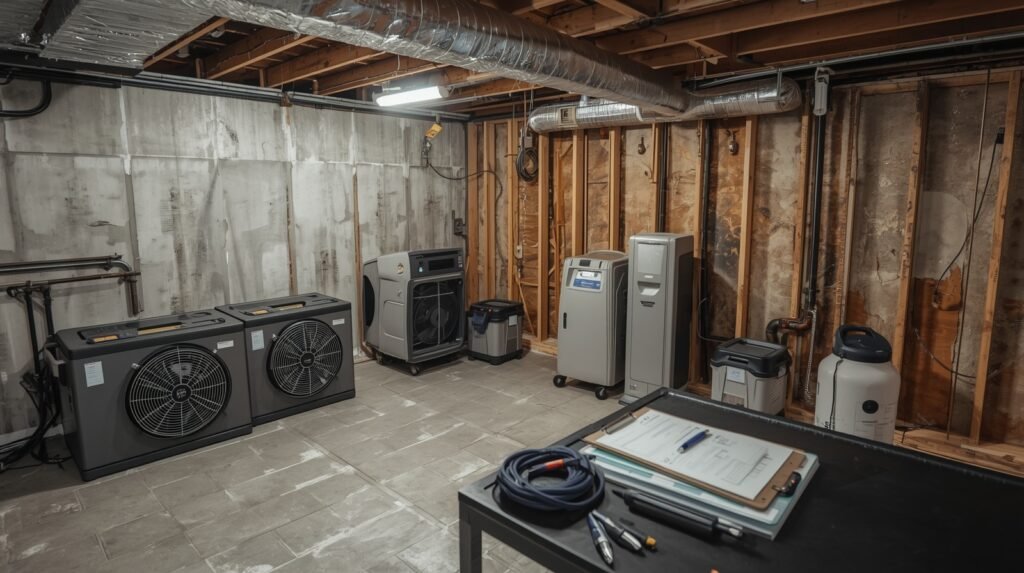
Not every cleanup company offers the same level of service. Homeowners should look for experienced professionals who understand water damage restoration and moisture control.
A trusted company should inspect the entire basement carefully instead of only removing visible water. Good communication also matters during stressful situations.
Homeowners may ask about drying equipment, mold prevention methods, and estimated cleanup timelines before hiring a contractor.
Licensed and insured teams often provide greater peace of mind during restoration projects. Experience with insurance claims may also help simplify the process for homeowners.
Reading customer reviews and asking questions helps families choose wet basement cleanup companies that provide dependable service and honest recommendations.
What Homeowners In Colorado Springs Should Expect During Basement Restoration
The restoration process usually begins with a full inspection of the basement. Technicians identify water damage, moisture levels, and possible safety concerns.
After inspection, cleanup teams begin removing standing water and damaged materials. Industrial drying equipment helps remove moisture from walls, flooring, and the surrounding air.
Some homes require deep cleaning and sanitizing after flooding. Odor treatment may also help remove musty smells caused by moisture.
Repair work often follows the drying stage. Contractors may replace drywall, flooring, insulation, or trim damaged during flooding.
Most homeowners feel overwhelmed after basement flooding, but clear communication and organized cleanup plans make the restoration process easier to manage.
How Colorado StainMaster Helps Restore Safer And Cleaner Basement Spaces
Colorado StainMaster helps homeowners respond quickly after basement flooding and water damage problems. Fast service helps reduce moisture buildup and lowers the risk of long term damage.
Experienced technicians inspect affected areas carefully before creating a cleanup plan. Professional equipment removes standing water, dries hidden moisture, and supports safer indoor conditions.
The team also helps homeowners understand each stage of the cleanup and restoration process. Clear communication helps families feel more confident during stressful situations.
Whether the damage comes from storms, plumbing failures, or leaking appliances, quick cleanup plays an important role in protecting the home.
Homeowners dealing with basement flooding should never wait too long before starting cleanup. Fast action helps reduce repair costs, protects indoor air quality, and prevents more serious structural problems later.
If your basement has standing water, moisture damage, or signs of mold growth, contact Colorado StainMaster today for professional help with cleanup and restoration services.